Part of Dr. Yoo’s Best Sunscreens 2026 series — see all categories.
Best Sunscreens for Skin Cancer Patients 2026: A Dermatologist’s Expert Picks
Medically reviewed by Jane Yoo, MD, board-certified dermatologist — July 30, 2026
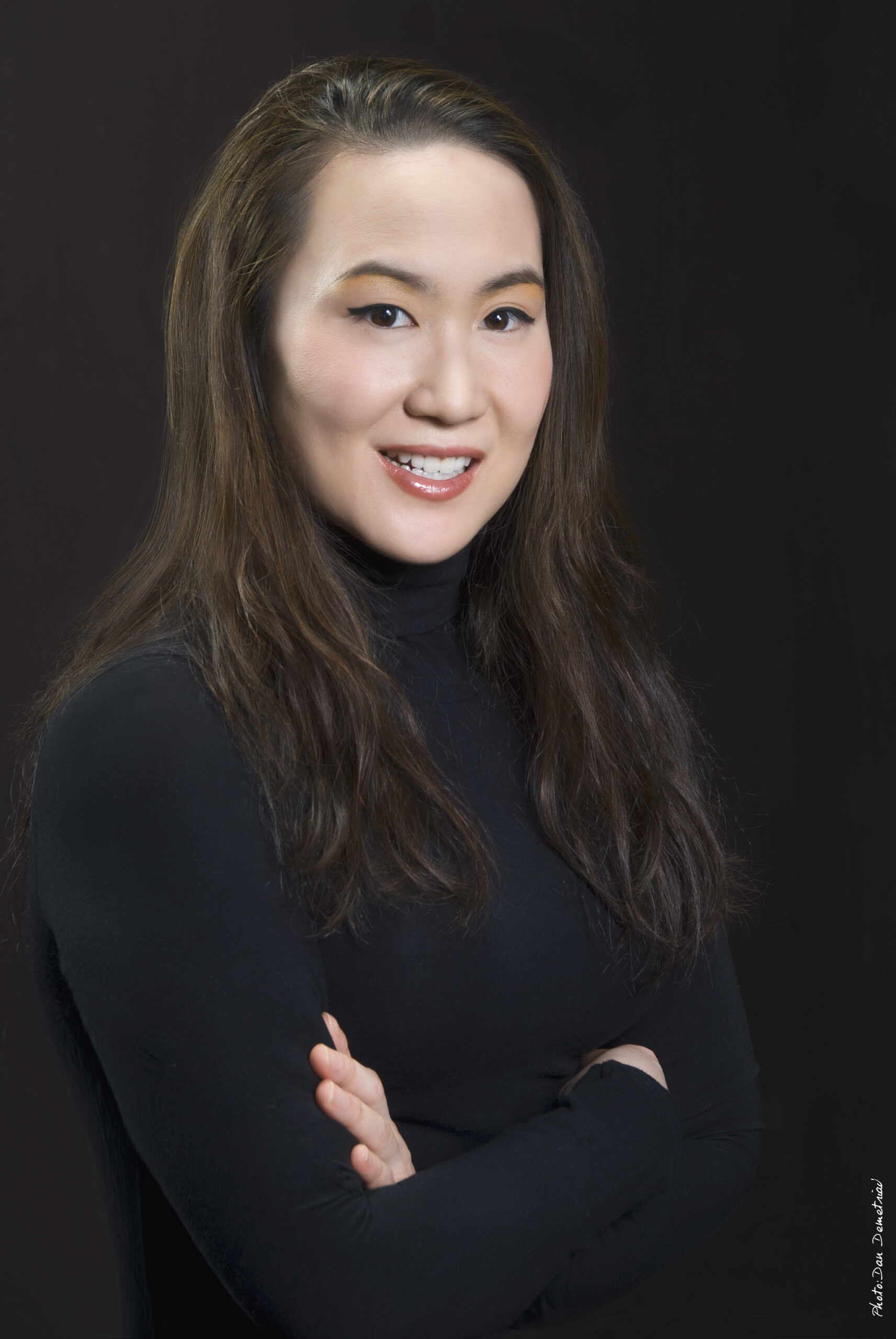
By Dr. Jane Yoo, Board-Certified Dermatologist & Mohs Surgeon
If you’ve ever dealt with actinic keratoses or been told you’re at higher risk for non-melanoma skin cancer, you’ve probably heard the same advice from every dermatologist you’ve seen: sunscreen, every day, no exceptions. But not all sunscreens are created equal for this purpose. There are formulas specifically engineered to help prevent actinic damage and support skin that’s already been compromised, going well beyond a standard high-SPF product. Below are my picks for patients managing a history of AKs, non-melanoma skin cancer risk, or generally fragile, sun-damaged skin.
What to Look for in a Sunscreen for Skin Cancer Patients
- Advanced, photostable UV filters, ingredients like Tinosorb S, Tinosorb M, Mexoryl SX/XL, and TriAsorB, which are widely used internationally and offer broad, stable UVA/UVB coverage
- DNA-repair or antioxidant technology, ingredients like DNA Repairsomes, photolyase enzymes, that support repair of UV-induced damage
- Mineral components for visible light protection, titanium dioxide and iron oxides add coverage in the visible light range, important for skin with prior sun damage or pigmentation concerns
- Formats for high-risk, hard-to-cover areas, sticks for the nose, ears, and hands, where skin cancers are especially common
- Lightweight, non-greasy textures, to support the daily, consistent use this kind of protection requires
Dr. Yoo’s Best Sunscreen Picks for Skin Cancer Patients
La Roche-Posay Anthelios 100 KA+ MED
This is a medical-grade sunscreen designed for patients with a history of actinic keratosis or non-melanoma skin cancer. The formula combines Tinosorb S, Uvinul T150, Mexoryl SX, and Mexoryl XL for broad-spectrum protection and added formula stability, which matters most when skin is already vulnerable.
ISDIN Eryfotona AK-NMSC Fluid SPF 99
This one is built around DNA Repairsomes, which contain photolyase enzymes that help repair UV-induced DNA damage, alongside Tinosorb S for strong, stable protection. Lightweight and suited for daily use, it’s designed to help prevent new lesions in skin that’s already been affected.
Avène Sunsistick KA SPF50+
This is a good option for touch-ups on high-risk areas like the nose, ears, and hands. It combines Tinosorb S, Uvinul A Plus, Iscotrizinol, and titanium dioxide, along with antioxidants, and goes on clear without a greasy feel, ideal for spot reapplication throughout the day.
SVR AK Secure DM Protect SPF50+
This is a good one for hypersensitive or high-risk skin. It combines Tinosorb M, Tinosorb S, Uvinul A Plus, and Uvinul T150 in a light, non-greasy texture, making it especially helpful for preventing actinic damage on fragile skin.
Avène SunsiMed KA Blue Light Cream
This formula combines Tinosorb S, Uvinul A Plus, and Uvinul T150 with TriAsorB, which adds protection against blue light. With added antioxidants and hyaluronic acid, it offers broad daily protection and hydration, especially suited to skin with a high risk of sun damage.
Understanding the Filters
What makes these formulas stand out is the filter technology behind them, much of which is more commonly found in European and Asian sunscreens than in typical US formulas:
Tinosorb S: A broad-spectrum filter that blocks both UVA and UVB rays, highly photostable, and helps stabilize other ingredients in a formula.
Tinosorb M: Also covers UVA and UVB, with the unique ability to reflect UV light, similar to a mineral filter.
Uvinul T150: Provides strong UVB protection efficiently even at low concentrations, helping keep formulas lightweight.
Uvinul A Plus: Targets UVA rays and helps neutralize free radicals linked to long-term damage.
Mexoryl SX and Mexoryl XL: Together offer broad UVA/UVB protection and are known for stability and enhancing the performance of other filters.
TriAsorB: A newer filter that protects against UVB, both short and long UVA rays, and high-energy visible, blue, light.
Several of these formulas also include titanium dioxide or iron oxides, which add protection in the visible light range, an important consideration for anyone managing pigmentation or skin with a history of sun damage.
How to Use These Sunscreens Correctly
For the face, use approximately ¼ teaspoon, or 1.25ml, applied as the last step of your morning routine. Reapply every 2 hours of sun exposure, and keep a stick format on hand for quick touch-ups on high-risk areas like the nose, ears, and hands. Consistency matters most here: a single application, however high the SPF, is not enough to protect skin with a history of actinic damage throughout a full day.
The Bottom Line
These are not typical sunscreens. They are engineered specifically for prevention and repair in skin that’s already been affected by sun damage. If you have a history of actinic keratoses, non-melanoma skin cancer, or generally fragile, sun-sensitive skin, these formulas are worth seeking out, and worth discussing with your dermatologist as part of your broader skin cancer prevention plan.
FAQ
Q: Why do skin cancer patients need a different sunscreen than everyone else?
A: Skin that has a history of actinic keratosis or non-melanoma skin cancer is more vulnerable to ongoing UV damage. Formulas designed for this group often include advanced, photostable filters and added repair or antioxidant technology not found in standard sunscreens.
Q: What are DNA Repairsomes?
A: DNA Repairsomes are an ingredient containing photolyase enzymes, which help support the repair of UV-induced DNA damage in skin cells, making them especially relevant for patients managing sun-damaged or high-risk skin.
Q: Why are sticks recommended for high-risk areas like the nose and ears?
A: These areas are common sites for skin cancer and are often under-applied with regular sunscreen. Stick formats allow for precise, generous reapplication throughout the day on these specific spots.
Q: Does visible light matter for skin cancer prevention?
A: Visible light, including blue light, can contribute to pigmentation and skin damage, which is why some formulas for high-risk skin include titanium dioxide or iron oxides for added coverage beyond standard UVA/UVB protection.
Q: How often should sunscreen be reapplied for actinic keratosis or skin cancer prevention?
A: Every 2 hours of sun exposure, at minimum, with extra attention to high-risk areas like the nose, ears, and hands using a stick or other easy-to-reapply format.
Updated June 2026
Find your sunscreen in The Sunscreen Index
Compare 305 dermatologist-curated sunscreens — filter by UV filter chemistry, finish, white cast, skin type, and Dr. Yoo’s clinical picks.