Which U.S. Sunscreens Will Have Bemotrizinol First, and What to Look For on the Label
The Wait Is Almost Over
With the FDA’s June 9, 2026 approval of bemotrizinol, the first new sunscreen active ingredient approved in the United States in more than 25 years, the natural next question from patients is simple: when can I actually buy one?
The answer is closer than it has ever been, but there are a few things worth understanding before you start looking.
Bemotrizinol, also known as BEMT, Tinosorb S, and PARSOL Shield, is a broad-spectrum UV filter that protects against both UVA and UVB radiation. It has been used internationally for decades, but until now, it was not approved as an active ingredient in U.S. sunscreens.
The Timeline: When Products May Arrive
The FDA final order takes effect on August 9, 2026. That is the date when bemotrizinol officially becomes available for use in U.S. over-the-counter sunscreen products under the updated sunscreen monograph.
DSM Nutritional Products LLC, part of dsm-firmenich, has an 18-month exclusivity period for this ingredient in the U.S. market. This means the first U.S. products will need to use DSM’s version of the ingredient, marketed as PARSOL Shield, or be connected to the company through its licensees, assignees, or successors.
Practically speaking, the first bemotrizinol sunscreens may begin appearing in the U.S. in late 2026 or 2027. Broader availability will likely take more time.
This does not mean every sunscreen brand will launch a bemotrizinol product right away. Formulation, testing, packaging, labeling, distribution, and regulatory review all take time. The first wave will likely come from established sunscreen companies that are already prepared to work with PARSOL Shield.
How to Read the Label
When shopping for a bemotrizinol sunscreen, look at the active ingredients panel. The ingredient may appear under several names.
Bemotrizinol
This is the U.S. approved name and the name most likely to appear on FDA-compliant U.S. sunscreen labels.
BEMT
BEMT is a common abbreviation used in cosmetic chemistry and product education. You may see this in ingredient explainers, dermatologist content, or brand marketing.
Tinosorb S
Tinosorb S is the historical trade name used in Europe and many international sunscreen markets. If you see Tinosorb S on a product, it may be an international version rather than a U.S.-regulated sunscreen. Always check the active ingredients label and where the product is intended to be sold.
PARSOL Shield
PARSOL Shield is the brand name used by dsm-firmenich for bemotrizinol in the U.S. market. You may see this name in marketing materials, press releases, and early U.S. product launches.
What Kinds of Products Will Benefit Most
Bemotrizinol is a versatile organic, or chemical, UV filter. It is highly photostable, provides broad-spectrum coverage, and can help formulators create more elegant sunscreen textures.
Here are the types of sunscreen products where it may make the biggest clinical and cosmetic difference.
Lightweight Daily Facial Sunscreens
One of the most common complaints patients have about current U.S. sunscreens is texture. Many feel greasy, heavy, sticky, or difficult to layer under makeup.
Bemotrizinol gives formulators another tool to create lightweight, daily facial sunscreens with strong UVA and UVB protection. Because it is highly photostable, it can also help support more durable protection during UV exposure when used in a well-designed formula.
Expect many early products to emphasize elegant texture, lightweight wear, and daily use.
High-SPF Formulas
Bemotrizinol provides strong broad-spectrum protection and can work well with other UV filters. This may make it easier for brands to create high-SPF sunscreens with better UVA coverage while keeping the formula cosmetically acceptable.
This is especially relevant for SPF 50 and SPF 50+ products, including outdoor, sport, and active-wear sunscreens.
For patients who spend significant time outside, better UVA coverage in high-SPF products could be an important improvement.
Tinted Formulations
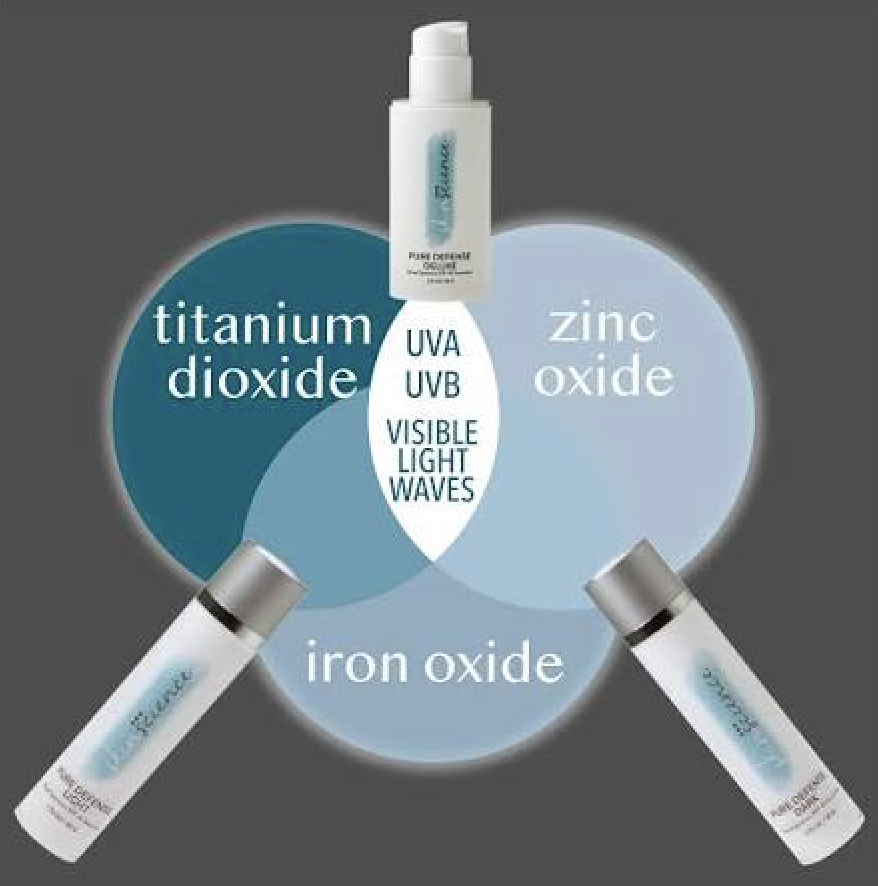
Tinted sunscreens with iron oxides are especially important for patients with melasma and post-inflammatory hyperpigmentation because they help protect against visible light, which untinted formulas do not fully address.
Adding bemotrizinol to tinted formulas could allow brands to combine stronger UVA protection with visible light protection in one product. For melasma patients, this could be a meaningful upgrade.
That said, bemotrizinol does not replace the role of tint or iron oxides for visible light protection. For many pigmentation-prone patients, tinted sunscreen will still be preferred.
Skin of Color-Friendly Formulas
Because bemotrizinol is a chemical UV filter, it applies without the white cast often seen with zinc oxide and titanium dioxide.
This matters. For medium to deep skin tones, white cast is one of the biggest barriers to consistent sunscreen use. If a sunscreen looks chalky, gray, or purple on the skin, patients are less likely to wear it every day.
Bemotrizinol may help U.S. brands create sunscreens that feel more like the cosmetically elegant formulas patients have loved from Korean, European, and Australian markets.
What About Korean Sunscreens Already Available in the U.S.?
This is a question I get frequently, especially from patients who buy Korean sunscreens at Olive Young, H Mart, or through online retailers.
Many beloved Korean sunscreens contain Tinosorb S, also known as bemotrizinol or BEMT, in their Korean or international formulations. However, U.S.-market versions of those same products may have used different active ingredients in the past to comply with FDA rules.
This is why the same sunscreen can sometimes look different depending on where it was purchased. The international version and the U.S. version may not always have the same active ingredient list.
With FDA approval now final, Korean and European brands may eventually reformulate their U.S.-market products to include bemotrizinol. This will take time. Regulatory planning, manufacturing changes, packaging updates, and retail distribution do not happen overnight.
The best advice is simple: read the active ingredients label. Do not assume a product contains bemotrizinol just because an international version does.
My Clinical Recommendation
The best sunscreen is still the one you will use every day. In the meantime, your current broad-spectrum SPF 30 or higher sunscreen is doing meaningful work.
When bemotrizinol products arrive, I recommend trying them, especially if you have found current U.S. sunscreen formulas difficult to wear, if you are managing melasma or post-inflammatory hyperpigmentation, or if you have struggled with the white cast of mineral sunscreens.
I will be evaluating specific products as they become available. For now, keep using sunscreen daily, watch the active ingredients label, and look for bemotrizinol, BEMT, Tinosorb S, or PARSOL Shield.
The Bottom Line
Bemotrizinol is one of the most exciting sunscreen updates in the United States in decades.
The first U.S. products may arrive in late 2026 or 2027, with broader availability likely to follow. The formulas most likely to benefit include lightweight daily facial sunscreens, high-SPF sunscreens, tinted sunscreens, and products designed for skin of color.
Until then, do not pause your sun protection routine. Use a broad-spectrum SPF 30 or higher every day, and keep an eye on the label.
FAQ
Q: What should I look for on a sunscreen label?
A: Look for bemotrizinol in the active ingredients list. You may also see names like BEMT, Tinosorb S, or PARSOL Shield in product education or marketing.
Q: Is bemotrizinol the same as Tinosorb S?
A: Yes. Bemotrizinol is the same UV filter commonly known internationally as Tinosorb S. It is also abbreviated as BEMT.
Q: When will bemotrizinol sunscreens be sold in the U.S.?
A: The FDA final order takes effect on August 9, 2026. The first U.S. products may begin appearing in late 2026 or 2027.
Q: Will Korean sunscreens in the U.S. contain bemotrizinol?
A: Some Korean sunscreens contain bemotrizinol in their international versions, but U.S.-market versions may have different active ingredients. Always check the active ingredients label.
Q: Is bemotrizinol good for melasma?
A: Bemotrizinol can improve UVA protection, which is important for melasma. Many melasma patients should still use tinted sunscreens with iron oxides for visible light protection.
Q: Is bemotrizinol better than mineral sunscreen?
A: It depends on the patient. Mineral sunscreens are still excellent options, especially for sensitive skin. Bemotrizinol may be a better fit for patients who want a clear, lightweight formula without white cast.
Updated June 2026