The New Sunscreen Ingredient That Was Blocked for 25 Years, and Why It Matters Most for Skin of Color
A 25-Year Photoprotection Deficit
When the FDA approved bemotrizinol on June 9, 2026, dermatologists across the country let out a collective exhale. For those of us who specialize in skin of color, treat melasma, counsel patients about skin cancer prevention, or have spent time advocating for better sunscreen policy, this approval represents something that has been a long time coming.
The story of bemotrizinol is not just a regulatory story. It is a story about what happens when regulation fails to keep pace with science, and how the burden can fall unevenly on patients with darker skin tones.
What Made the U.S. Sunscreen Market Different From the Rest of the World
For most of the world, sunscreen is regulated as a cosmetic. In the United States, it is classified as an over-the-counter drug. While this may sound like a technicality, the practical consequence has been enormous.
New UV filters in the U.S. have required extensive safety and efficacy documentation through the FDA’s OTC sunscreen drug pathway. At the same time, manufacturers have not had the same type of patent protection that often helps offset the cost of pharmaceutical development. This created a major commercial and regulatory barrier to bringing newer UV filters to the American market.
As a result, while European and Asian consumers have had access to a broader range of modern UV filters for decades, American consumers have been limited to a smaller list of older approved sunscreen active ingredients. The ingredients available in the U.S. were largely the same ones approved in the 1970s, 1980s, and 1990s. The rest of the world moved forward. We lagged behind.
Bemotrizinol, known internationally as Tinosorb S and also called BEMT, is one of the most effective broad-spectrum UV filters developed in the modern era. It has been used in European sunscreens since 2000 and in many international sunscreen formulas for decades.
Until now, Americans could not legally purchase a U.S.-regulated sunscreen containing bemotrizinol. The irony is that many patients were already using imported Korean, European, or Australian sunscreens containing BEMT because those products often offered stronger UVA protection and better cosmetic elegance.
Why This Gap Has Hit Patients With Skin of Color Hardest
The connection between sunscreen formulation and skin of color is not always obvious, but it is clinically significant in several overlapping ways.
The White Cast Problem and Sunscreen Avoidance
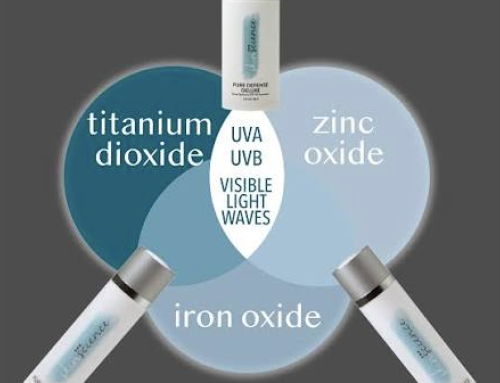
Mineral sunscreens containing zinc oxide or titanium dioxide are often positioned as the “safer” or more sensitive-skin-friendly option. But on medium to deep skin tones, many mineral formulas leave a visible white, gray, or purple cast.
This is not just a cosmetic preference issue. It is a real barrier to consistent sunscreen use.
If a sunscreen makes someone look ashy, dull, or visibly discolored, they are less likely to wear it every day. For patients with skin of color, this has been one of the most practical failures of the U.S. sunscreen market.
Chemical filters like bemotrizinol go on clear. They do not leave the same mineral white cast, and they can be formulated into lighter, more elegant textures. That matters because the best sunscreen is the one a patient will actually use consistently.
Melasma and the UVA Gap
Melasma is a chronic pigmentation disorder triggered and worsened by ultraviolet radiation and visible light. It disproportionately affects people of color, particularly women of Asian, Hispanic, Middle Eastern, and African descent.
Effective melasma management requires robust broad-spectrum protection. UVA protection matters, and visible light protection also matters, especially for patients with darker skin tones.
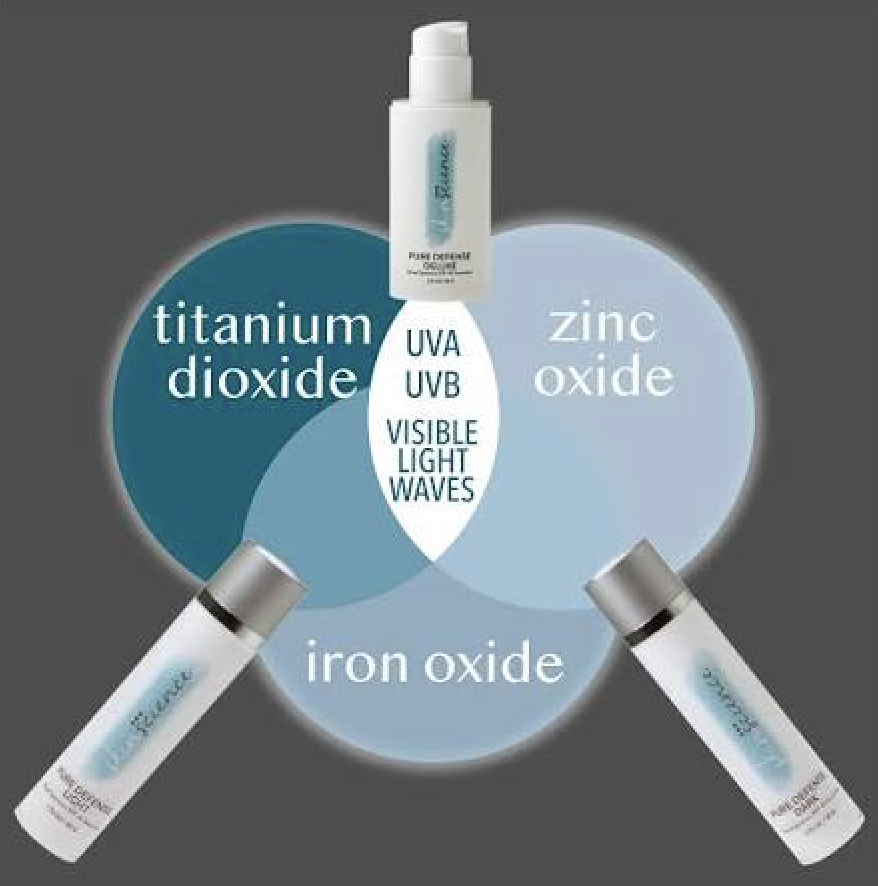
This is why tinted sunscreens with iron oxides remain so important for melasma. Iron oxides help protect against visible light, which can worsen pigmentation. Bemotrizinol does not replace tinted sunscreen for every melasma patient, but it gives formulators a powerful new tool for improving UVA protection in U.S. sunscreens.
Bemotrizinol provides strong UVA and UVB coverage, with absorption peaks around 310 nm in the UVB range and 340 nm in the UVA range. The limited UVA protection available in many U.S. sunscreens has been a genuine clinical obstacle for dermatologists treating melasma. We have been telling patients to use the most protective products available while knowing that American sunscreen formulas often did not measure up to what was available overseas.
Post-Inflammatory Hyperpigmentation
UV exposure can worsen post-inflammatory hyperpigmentation, or PIH, which is a common concern in darker skin types after acne, eczema, procedures, irritation, or any inflammatory event.
Better broad-spectrum protection can support better outcomes for patients managing PIH. This is not theoretical. This is a daily clinical reality for dermatologists who care for patients with skin of color.
When sunscreen is easier to wear, patients are more likely to use it. When patients use it consistently, we have a better chance of controlling pigmentation and preventing recurrence.
Skin Cancer in Communities of Color
Skin cancer is less common in darker skin tones than in lighter skin tones, but when it occurs, it is often diagnosed later and can carry a worse prognosis. Acral lentiginous melanoma, which occurs on the palms, soles, and nail beds, is not primarily related to UV exposure. However, cutaneous melanomas and nonmelanoma skin cancers can and do occur in patients with skin of color.
The protection gap is real. Making effective sunscreen more accessible, more cosmetically appealing, and more widely adopted in diverse communities has direct implications for skin cancer prevention and earlier conversations around sun safety.
The Policy Work Behind the Approval
For years, dermatologists, public health advocates, consumer groups, and industry partners pushed for a more modern sunscreen regulatory system in the United States. The goal was not to lower safety standards. The goal was to create a clearer, more functional pathway for evaluating UV filters that already had strong safety records in other markets.
The SAFE Sunscreen Standards Act, which I have advocated for alongside colleagues through the Personal Care Products Council, was part of the broader effort to address the regulatory bottleneck that kept effective UV filters out of the American market.
Bemotrizinol, with more than two decades of international use, was exactly the kind of ingredient patients and dermatologists had been waiting for.
The Capitol Hill advocacy work done by dermatologists, consumer advocates, and industry partners helped build momentum for this approval. The result is not just a new ingredient. It is a meaningful improvement in public health infrastructure.
What Comes Next
Bemotrizinol products may begin appearing on U.S. shelves in late 2026 or 2027. When shopping, look for bemotrizinol, BEMT, Tinosorb S, or PARSOL Shield in the active ingredients list.
For my patients, particularly those managing melasma, post-inflammatory hyperpigmentation, or deeper skin tones that do not tolerate white cast well, this will be a meaningful upgrade in available options.
The approval of bemotrizinol is an important step, but it is still only one step. The next steps include continued advocacy for additional UV filter approvals, better UVA labeling standards in the U.S., more visible light protection education, and expanded sunscreen access for high-risk populations.
FAQ
Q: What is bemotrizinol?
A: Bemotrizinol is a broad-spectrum chemical sunscreen filter that protects against both UVA and UVB radiation. It is also known as BEMT, Tinosorb S, or PARSOL Shield.
Q: Why does bemotrizinol matter for skin of color?
A: Bemotrizinol may help make sunscreens more cosmetically elegant, with less white cast and stronger UVA protection. This can make daily sunscreen use easier for patients with medium to deep skin tones.
Q: Does bemotrizinol help with melasma?
A: Bemotrizinol can help improve UVA protection, which is important for melasma. However, many melasma patients still benefit from tinted sunscreens with iron oxides because visible light can also worsen pigmentation.
Q: Is bemotrizinol better than mineral sunscreen?
A: Not necessarily for everyone. Mineral sunscreens are still excellent options, especially for sensitive skin. Bemotrizinol adds another option, particularly for patients who dislike the white cast or texture of mineral formulas.
Q: When will bemotrizinol sunscreens be available in the U.S.?
A: The FDA approved bemotrizinol on June 9, 2026, and the final order takes effect on August 9, 2026. Products may begin appearing in late 2026 or 2027.
Q: Should patients with skin of color still wear sunscreen?
A: Yes. Patients with skin of color can still develop sun damage, hyperpigmentation, melasma flares, and skin cancer. Daily broad-spectrum sunscreen remains important.
Updated June 2026