Sunscreen has been in the news a lot lately, and not always for the right reasons. Firstly, the FDA issuing warning letters to several sunscreen brands over unapproved product formats, and a new study revealing that many popular sunscreens contain UV filtering ingredients that are not disclosed on the label. The second issue even has a name now, “sunscreen doping,” and I think it is worth breaking down what that actually means for you as a consumer.
The FDA’s Warning Letters: Why Foam and Whipped Sunscreens Are a Problem
In August 2025, the FDA sent warning letters to several well known brands including Supergoop!, Vacation Inc., and TiZo’s parent company for selling sunscreens in foam, mousse, and whipped formats. Under the FDA’s OTC Monograph M020, sunscreens are only approved in specific forms: oils, lotions, creams, gels, butters, pastes, ointments, sticks, sprays, and powders. Foam and whipped formats do not make that list.
This matters beyond just a technicality. One brand’s packaging resembled a whipped cream canister, which the FDA flagged as potentially misleading and a risk for accidental ingestion. There are also legitimate scientific questions about whether these novel textures allow UV filters to disperse evenly enough to deliver the SPF protection shown on the label.
The broader industry takeaway is that fun, innovative formats still need to follow the rules, and right now, foam sunscreen requires a new drug application to be sold legally in the US.
What Is Sunscreen “Doping”?
A recent analysis of 150 popular sunscreens found that many of them contain UV filtering ingredients that are not disclosed on the front label and in some cases are buried in the inactive ingredients section or not listed at all.
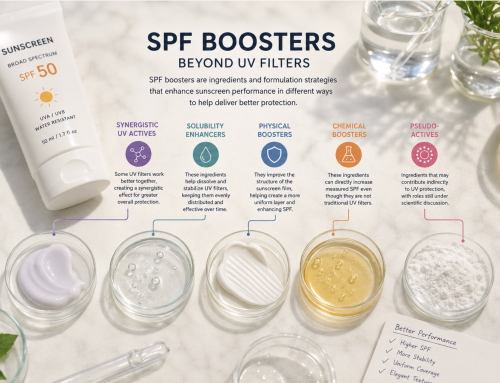
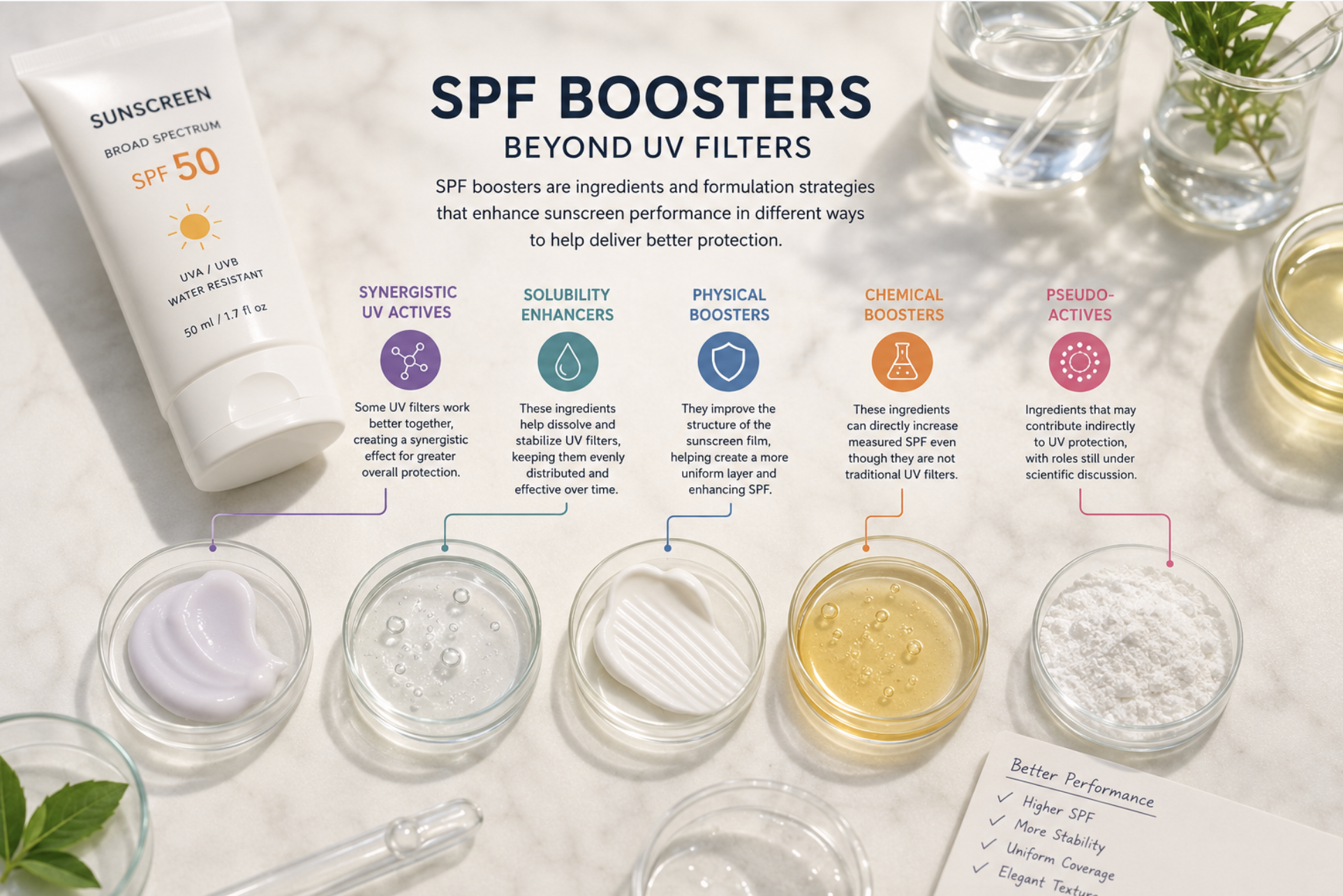
The term “sunscreen doping,” reportedly coined by biomedical engineer Sophie Bai, founder of the brand Pavise, refers to the intentional use of UV filters that function like approved sunscreen actives but are not FDA approved or properly labeled as such. This is different from SPF boosters, which are inactive ingredients that support the performance of other UV filters. Doping involves ingredients that are doing the actual UV filtering work without the regulatory scrutiny that comes with that function.
The analysis found over 50 products containing butyloctyl salicylate, nearly 20 containing DESM, and several others with additional undisclosed UV active compounds. Thirty of those products were marketed as 100 percent mineral sunscreens.
Why Does This Happen?
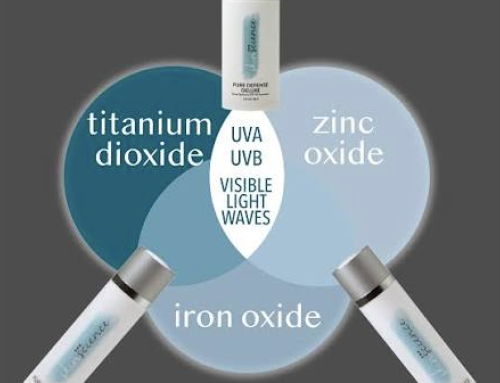
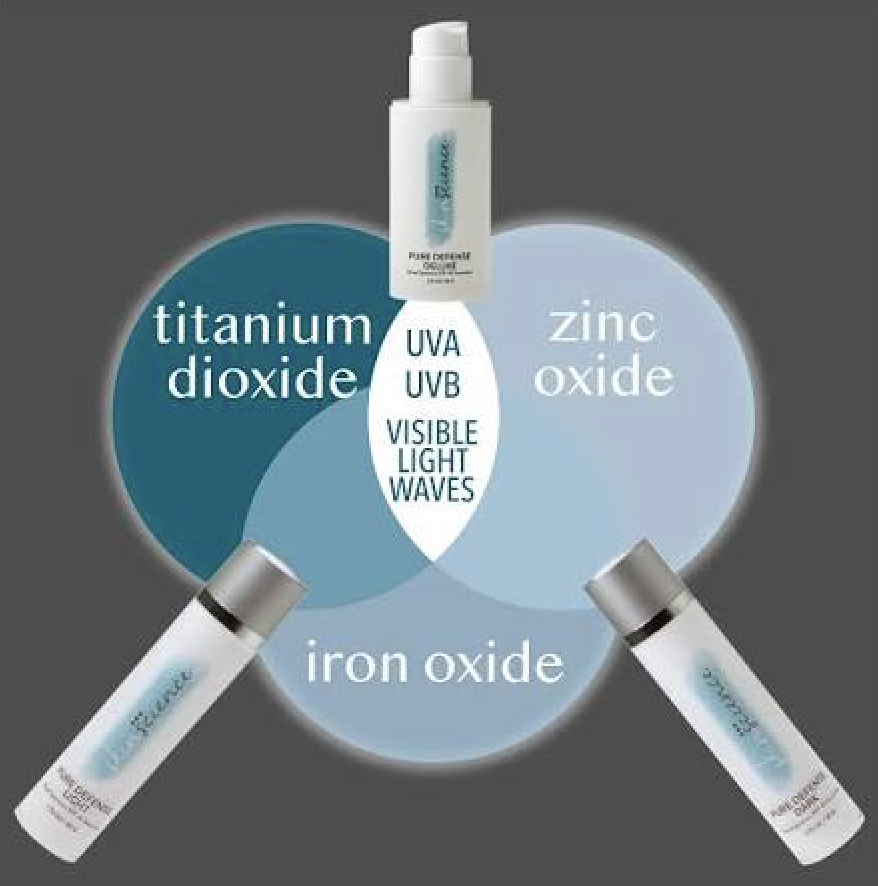
Mineral sunscreens, those using zinc oxide and titanium dioxide, have a well known cosmetic challenge: they can feel thick, chalky, and heavy on the skin. To get around this, some formulators add hidden UV filtering compounds that are not required to be labeled as actives, allowing them to reduce the mineral load while maintaining SPF performance and still claiming a “100 percent mineral” product.
The result is a product that looks and feels better but contains ingredients that have not undergone the rigorous safety and efficacy testing required of approved sunscreen actives.
What This Means for You
This is a good reminder that sunscreen labels and marketing claims do not always tell the full story. “Mineral only” does not always mean what you think it means. The FDA’s actions and the emerging research are pushing for more transparency, which I think is long overdue.
My advice: do not abandon sunscreen. Daily UV protection remains one of the most important things you can do for your skin health. But stay informed, look for brands that are transparent about their formulations, and know that regulatory updates are actively in motion.
The sunscreen space is evolving quickly, and that is a good thing as long as innovation is matched with honesty.
References: