Navigating cosmetic fillers can be both exciting and overwhelming, especially when you are considering adjustments or correcting previous treatments. If you are thinking about dissolving filler in NYC, you are not alone. Whether your aesthetic goals have changed or you are addressing an unexpected outcome, understanding the process is essential for safe and effective results. This guide explains how filler dissolution works, what to expect, and how to choose the right specialist so you can move forward with clarity and confidence.
Understanding Dermal Fillers: Types and Uses
Dermal fillers add volume, enhance facial contours, and smooth wrinkles without surgery. The most common types include hyaluronic acid fillers, calcium hydroxylapatite, poly L lactic acid, and polymethylmethacrylate. Each category behaves differently and influences which treatment plan is right for you.
Hyaluronic acid fillers, such as Juvederm and Restylane, are especially popular because they integrate well with the body and can be dissolved if needed. These fillers are used to enhance cheeks, lips, under eye hollows, and other areas that benefit from restored volume.
Calcium hydroxylapatite fillers like Radiesse stimulate collagen production and are typically used for deeper folds and contouring.
Poly L lactic acid (Sculptra) and PMMA (Bellafill) provide longer lasting structural support by stimulating collagen over time, but they cannot be dissolved, so choosing an experienced injector is essential.
Understanding which filler you have is the first step in determining whether dissolution is possible and what your next steps should be.
The Science Behind Filler Dissolution
Dissolving filler relies on a naturally occurring enzyme called hyaluronidase, which breaks down hyaluronic acid fillers so the body can reabsorb them. This treatment works well for fillers like Restylane and Juvederm.
Once injected, hyaluronidase begins breaking down the filler almost immediately. Most patients notice visible improvement within 24 to 48 hours. The amount of enzyme used depends on the volume of filler present and the level of correction needed, and some cases require more than one session.
Non hyaluronic acid fillers such as calcium hydroxylapatite, PMMA, and poly L lactic acid do not dissolve with hyaluronidase. These may require alternative approaches such as surgical removal or laser treatments. Knowing the science behind filler dissolution helps set realistic expectations and ensures you pursue the safest strategy.
Safe and Effective Techniques for Dissolving Fillers
Hyaluronidase should only be administered by a trained and experienced professional. The injector must understand facial anatomy, filler behavior, and how to safely place the enzyme.
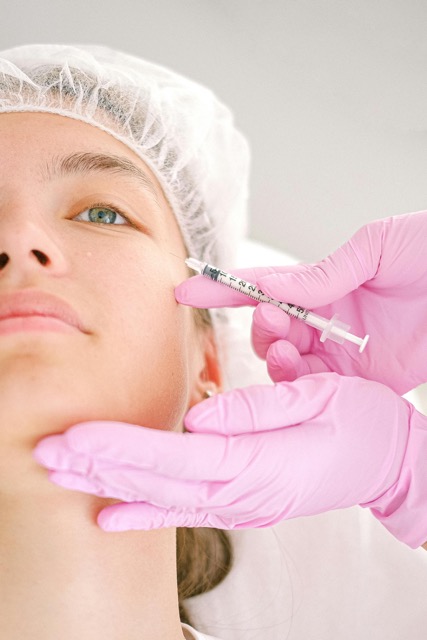
After a detailed consultation, the skin is cleansed and a topical anesthetic may be applied to minimize discomfort. The practitioner uses a fine needle to inject hyaluronidase directly into the areas containing filler. They evaluate the response and adjust the treatment as needed.
For fillers that are not dissolvable, options may include surgical removal or specialized laser treatments, which carry additional risks and require advanced expertise. Proper technique is essential for safe correction and optimal cosmetic outcomes.
Choosing the Right Professional in NYC
NYC offers countless options, but dissolving filler requires precision and experience. When researching providers, look for board certified dermatologists or plastic surgeons who have extensive expertise in both filler placement and filler correction.
Reading patient reviews and testimonials can offer insight into the practitioner’s skill and bedside manner. A thorough consultation is also essential. A qualified expert will explain the procedure clearly and discuss your goals, risks, and expected results.
The environment of the clinic matters as well. Well trained staff and a properly equipped setting contribute to a smooth and safe treatment process. Choosing the right specialist increases your chances of achieving the natural, balanced result you want.
What to Expect During the Dissolution Process
The experience begins with a consultation that reviews your medical history, past filler treatments, and current concerns. Your provider will examine the treated areas and design a personalized plan.
On the day of the procedure, the skin is cleaned and numbing may be applied. Hyaluronidase is injected into the targeted areas. You may feel mild pressure or temporary stinging. Many patients notice changes right away, but full results appear within 24 to 48 hours as the enzyme continues to work.
Your provider will review aftercare instructions and schedule follow up if additional treatment is needed.
Why Ultrasound Guided Filler Dissolution Is Better
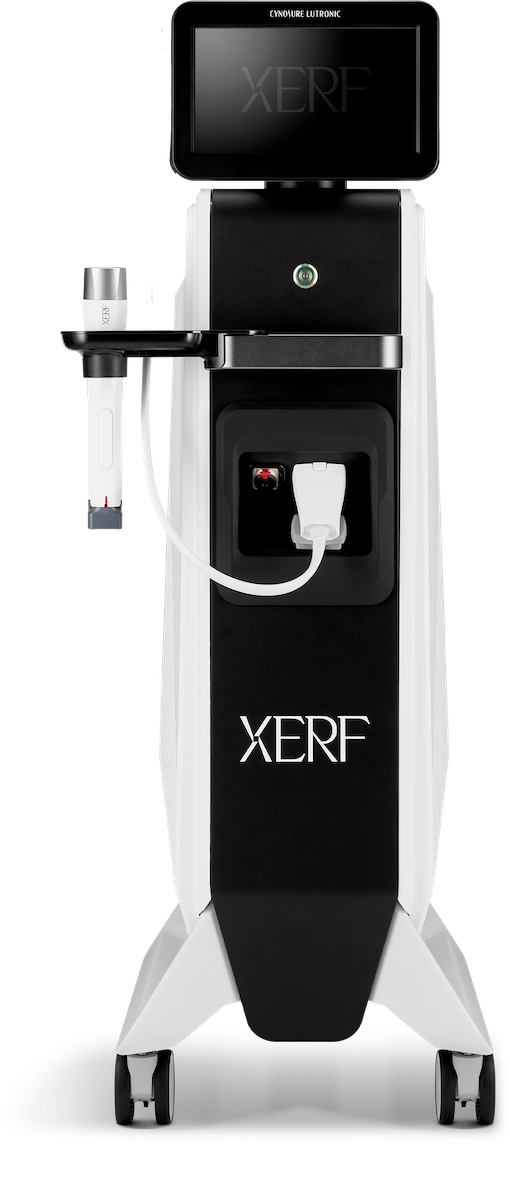
Ultrasound technology has transformed the way cosmetic injectors approach filler correction. Traditional filler dissolution relies on visual assessment and manual palpation, which can be effective but may not fully reveal the depth, location, or dispersion of the filler. Ultrasound guided filler dissolution allows your provider to see exactly where the filler sits beneath the skin, leading to more precise, efficient, and safer treatments.
High resolution ultrasound imaging identifies the exact plane where filler was placed, whether it is superficial, deep, or near important structures. This information allows the practitioner to target hyaluronidase directly into the filler rather than guessing or overcorrecting. Ultrasound guidance can also detect unexpected filler migration or clumping that might not be visible from the surface. This level of precision improves accuracy and reduces the amount of hyaluronidase required.
Ultrasound guided treatment also enhances safety. By visualizing vessels and surrounding tissues, the practitioner can avoid sensitive areas and minimize complications. This is especially important for dissolving filler in higher risk regions such as the tear troughs, nasolabial folds, lips, and nose. Ultrasound helps confirm when filler has fully dissolved, reducing the likelihood of residual lumps or asymmetry.
For patients who want the most consistent and reliable results, ultrasound guided filler dissolution offers a more predictable and controlled approach. It allows for tailored treatment with greater confidence and supports the overall goal of achieving natural, balanced outcomes.
Aftercare Tips for Optimal Results
Proper aftercare can enhance results and minimize side effects. Mild swelling, redness, or bruising is common and typically resolves within a few days. Applying ice can help reduce discomfort and inflammation.
Avoid strenuous exercise, excessive heat, and direct sun exposure for 24 to 48 hours. Staying hydrated and maintaining a healthy lifestyle supports healing and skin health.
Some cases require more than one session, and follow up appointments are essential to monitor progress and ensure satisfactory correction.
Potential Risks and Side Effects
Dissolving filler is generally safe but does carry some risks. Common temporary side effects include bruising, swelling, redness, or mild discomfort. These typically resolve quickly.
Rarely, allergic reactions to hyaluronidase can occur, which is why it is important to disclose all allergies and prior reactions before treatment. Infection and unintended changes in tissue volume are also possible but uncommon when the procedure is performed by an experienced professional.
Understanding potential risks helps you make informed decisions and reinforces the importance of choosing a highly qualified provider.
Making Informed Decisions About Your Aesthetic Treatments
Dissolving filler can be an important step toward achieving your desired aesthetic outcome, especially if your goals have changed or if a previous treatment did not meet expectations. By understanding your filler type, learning how hyaluronidase works, and choosing an expert provider, you can move through the correction process with confidence.