
If you have been following Korean beauty trends as closely as I have, you know that K-beauty did not just enter the U.S. market, it took over. According to NIQ, K-beauty hit $2 billion in U.S. sales in 2025, nearly doubling in just two years. Now, a new wave is quietly building: Korean wellness. And industry insiders are saying this one will move even faster.
Korean wellness brands are following the exact same digital first strategy that made K-beauty a household name, including TikTok, Amazon, and influencer partnerships, but this time, consumers already trust the source. The credibility K-beauty built over the past decade is essentially serving as a launchpad.
That kind of velocity is what experts mean when they say the K-wellness breakthrough will be faster than K-beauty’s was.
What Is K-Wellness, Exactly?
At its core, Korean wellness is rooted in a prevention first philosophy, focusing on gut health, hormonal balance, and skin health from the inside out. It also emphasizes the inner outer connection, which aligns very well with where modern integrative medicine is heading.
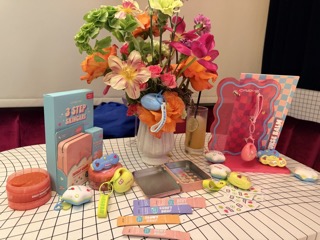
The products themselves tend to be innovative in format and approachable in price, such as dissolving glutathione oral strips, probiotic powder sachets, collagen chew jellies, herbal sleep beverages, and ear seeding kits.
Why This Matters from a Dermatology Perspective
As a dermatologist, I pay close attention to ingestible beauty and wellness products because my patients ask about them constantly, and the science behind ingredients like glutathione, probiotics, and collagen peptides is genuinely interesting and evolving.
What I appreciate about the Korean wellness approach is that it tends to emphasize consistency, simplicity, and gentle daily support rather than aggressive or extreme interventions. That philosophy resonates with how I think about skin health too, it is cumulative, long term, and built on habits.
That said, I always encourage patients to evaluate these products critically. “Natural” or “Korean made” does not automatically mean clinically validated. Look at ingredient concentrations, research backing, and whether the claims are realistic.
What to Watch
U.S. retailers are clearly paying attention. Ulta, Target, and Walmart are all expanding their K-wellness assortments, and Soko Glam, one of the original K-beauty tastemakers, is entering the wellness space for the first time. Even Olive Young, South Korea’s largest beauty retailer, opened a dedicated wellness focused store concept in Seoul this year, signaling that this is not a passing trend.
References:






Leave A Comment