Two of the most popular non-surgical skin tightening treatments available today are High-Intensity Focused Ultrasound, or HIFU, and radiofrequency microneedling. Both stimulate collagen production and improve skin firmness without surgery or significant downtime, but they work through entirely different mechanisms and are best suited for different patients and concerns. Understanding the distinction is useful for anyone evaluating their options.
How HIFU Works
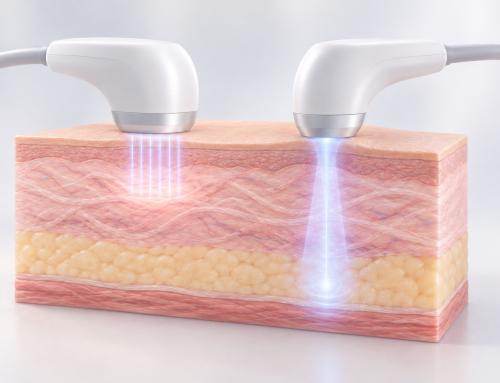
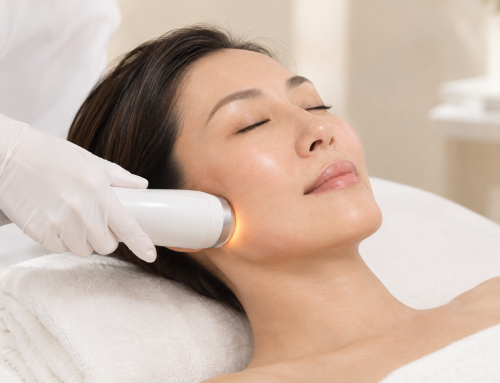
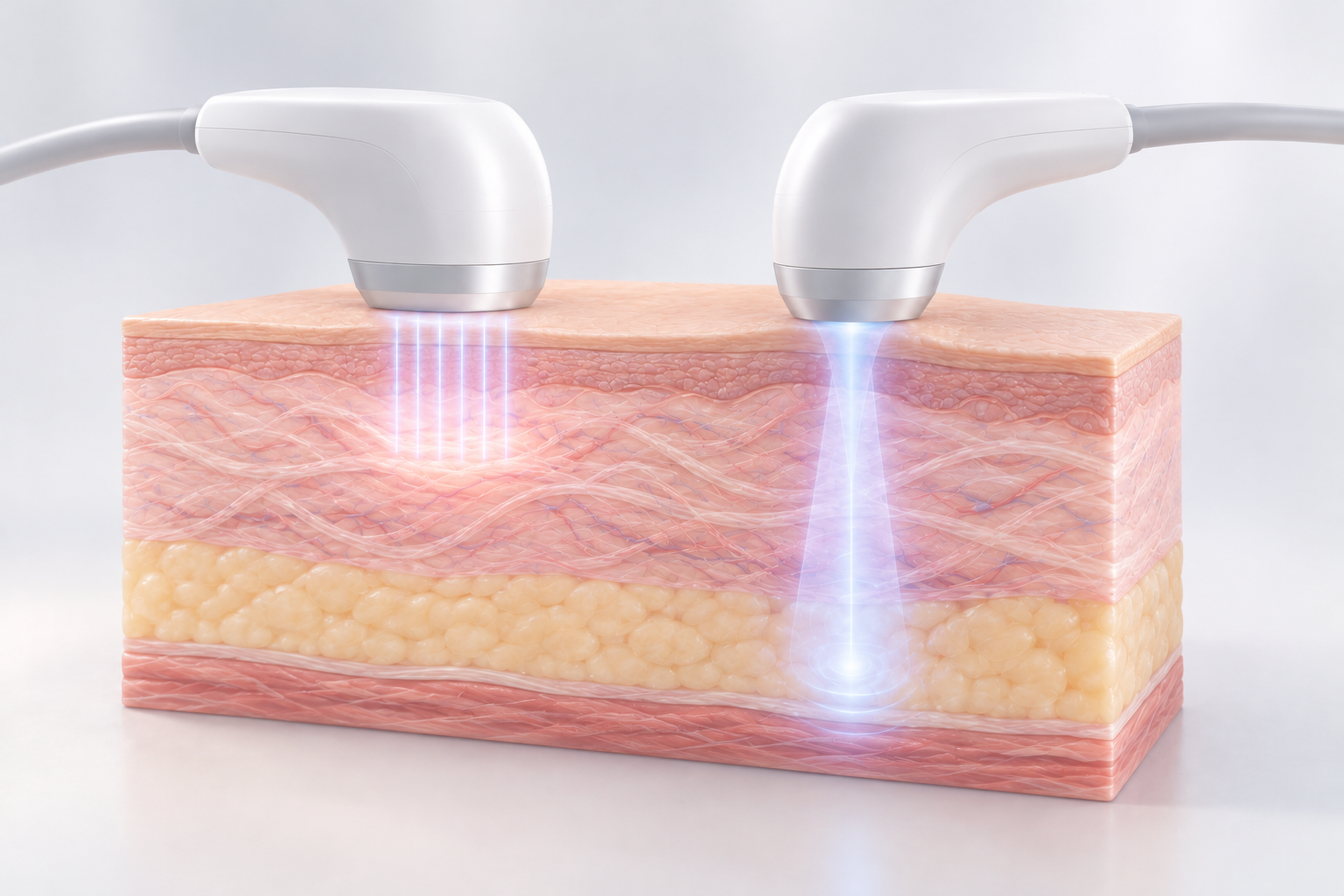
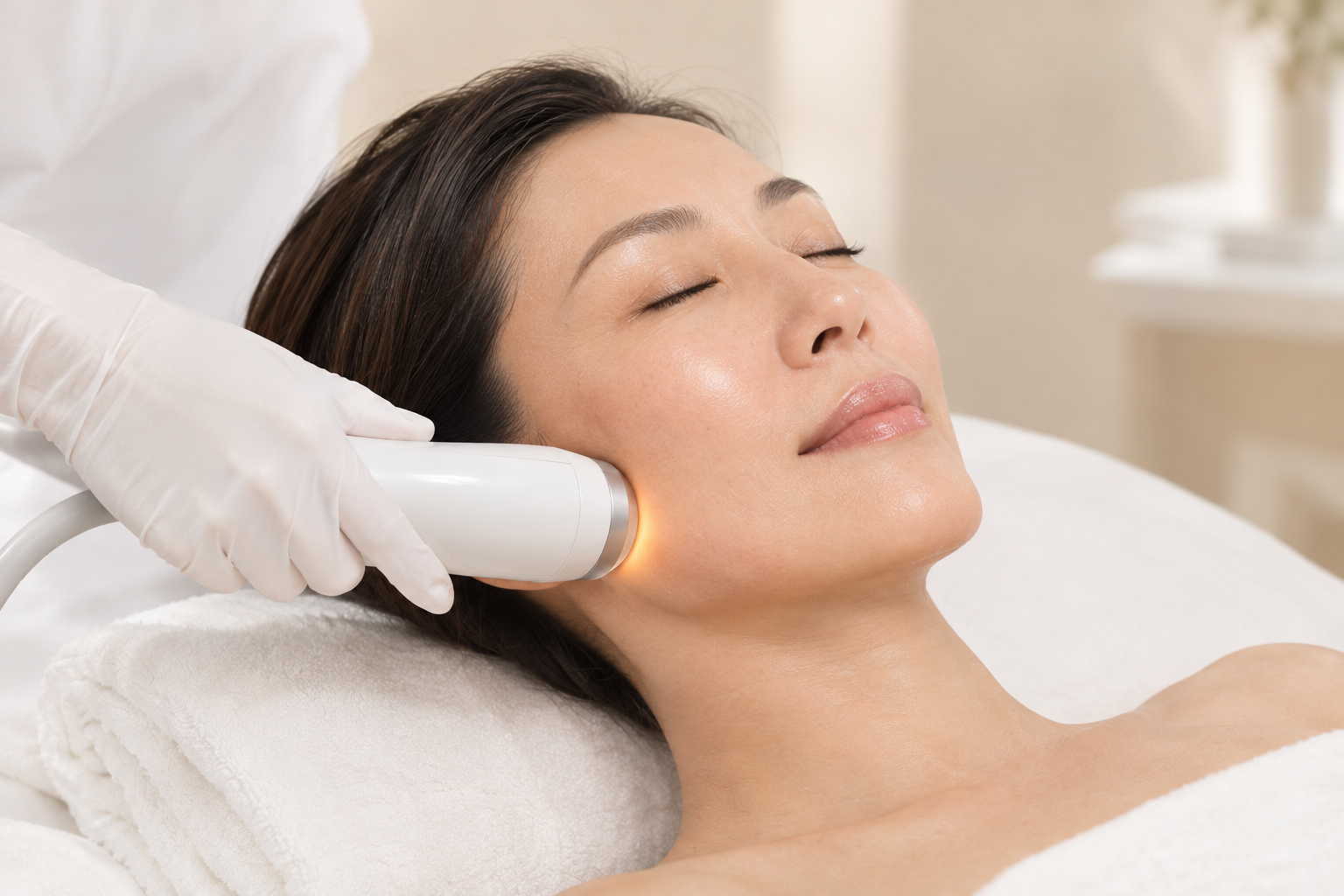
HIFU devices like the Ultraformer MPT use focused ultrasound energy to create precise thermal injury points deep within the skin and underlying tissue. One of HIFU’s most significant advantages is its ability to reach the SMAS layer, the same structural layer targeted in a surgical facelift, at depths of 4.5mm and beyond. This makes HIFU a genuinely structural lifting treatment rather than just surface tightening. It is non-invasive, requires no needles, and has no downtime.
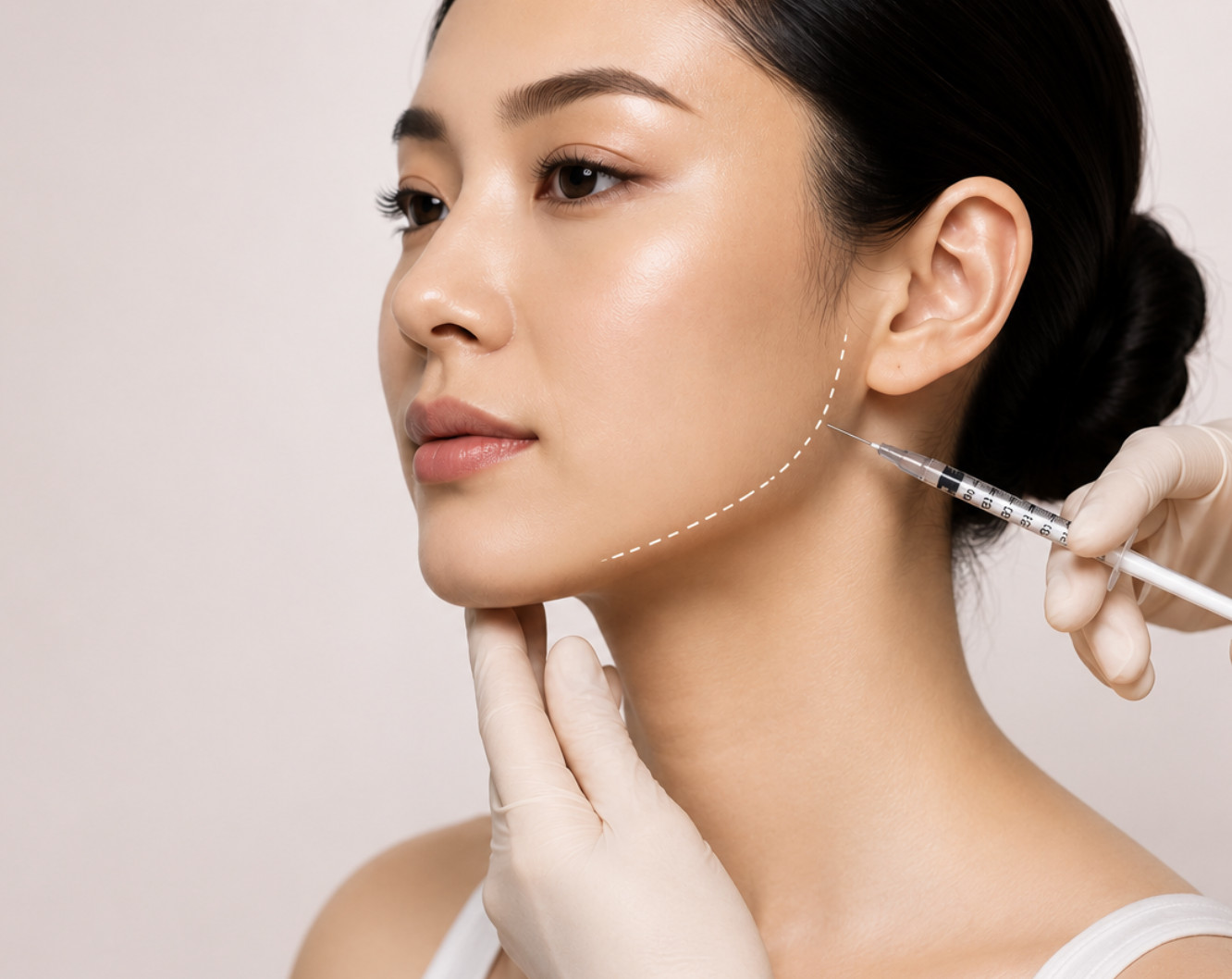
HIFU is best suited for patients with mild to moderate facial laxity who are looking for meaningful lifting in the brow, midface, jawline, and neck. Results develop gradually over three to six months and typically last 12 to 18 months.
How RF Microneedling Works
RF microneedling devices like the Potenza, Genius RF, and Quadessy combine two mechanisms: the micro-injury created by fine needles penetrating the dermis, and radiofrequency energy delivered precisely at the needle tips. Together these trigger a collagen remodeling response in the dermal layers. Most RF microneedling platforms allow the provider to adjust needle depth and energy settings, offering a high degree of customization.
RF microneedling works at the dermal level rather than the deep structural level, making it particularly effective for skin texture, pore refinement, acne scarring, mild laxity, and overall skin quality. It is also safe across all Fitzpatrick skin types.
Key Differences at a Glance
The most important distinction is depth of action. HIFU penetrates much deeper and is the better choice when the primary concern is structural lifting. RF microneedling works within the dermis and is the stronger option for texture, scarring, and surface-level tightening.
HIFU involves no needles and no topical numbing in most cases, while RF microneedling requires numbing cream and involves some post-treatment redness and mild swelling for one to three days. Both have no significant downtime in the broader sense, meaning patients can return to daily activities quickly.
In terms of results, HIFU tends to produce more noticeable lifting for patients with facial sagging, while RF microneedling produces more noticeable improvements in skin texture, pore size, and scar appearance.
Can They Be Combined?
Yes, and many patients benefit from combining both. HIFU addresses the deeper structural foundation while RF microneedling improves the surface quality of the skin. The two treatments work at complementary depths and are commonly used together in a comprehensive rejuvenation plan, along with skinboosters like Juvelook to further optimize skin hydration and quality.
Which Is Right for You?
The right choice depends on the specific concern. Patients primarily bothered by sagging, jowling, or loss of facial definition tend to see more benefit from HIFU. Patients focused on skin texture, acne scarring, enlarged pores, or mild laxity tend to respond better to RF microneedling. A consultation with a board-certified dermatologist is the best way to evaluate which approach, or combination of approaches, fits individual skin goals.
To learn more or book a consultation, visit janeyoomd.com/book.