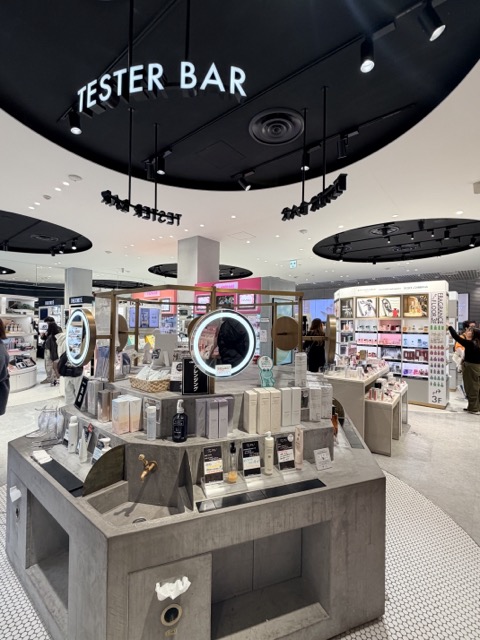
If you are interested in skincare, @cosme in Shinjuku offers a useful perspective on how products are actually used in everyday routines. It functions less like a traditional retail space and more like a real time reflection of consumer behavior in Japan, showing what people are consistently purchasing, using, and repurchasing.
From a dermatology perspective, products are often evaluated through factors like barrier support, irritation potential, ingredient composition, and whether they are sustainable for long term use. What stands out about @cosme is that it highlights the consumer side of this equation. The focus is not just on what is newly launched, but on what people continue to use because it fits into their daily lives.
Why @cosme Differs from a Typical Beauty Retailer
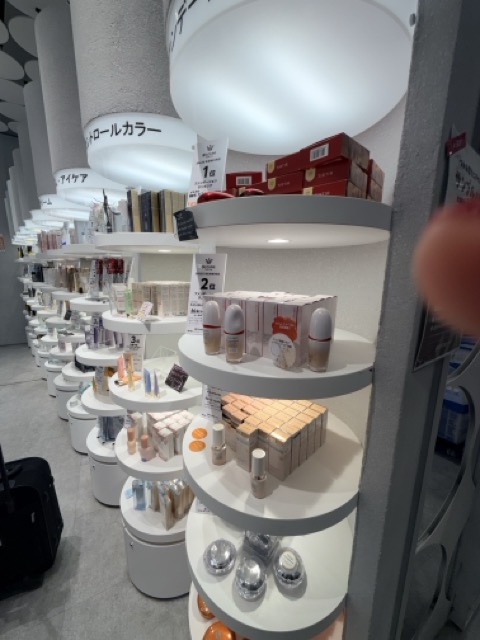
Most beauty retailers are structured around brand messaging and product launches. @cosme is structured around user reviews, rankings, and repeat use. This makes it easier to identify products that are consistently performing well over time rather than those that are temporarily popular. It also highlights products that address common concerns such as dryness, irritation, acne, and pigmentation in a practical and accessible way.
A key observation is that affordability and usability often take priority over prestige. Many top ranked products are not the most expensive options, but rather those that can be used regularly without causing irritation or disrupting the skin barrier.
Texture as a Functional Component
One of the most consistent patterns across Japanese skincare is the emphasis on texture and finish. Formulation is designed to support ease of use, which has direct clinical implications. Heavier or uncomfortable products are more likely to be underused, while formulations that layer well and feel cosmetically elegant are more likely to be applied consistently.
This directly affects treatment outcomes. Sunscreen that feels lightweight is more likely to be applied in adequate amounts. Moisturizers that do not pill are more likely to be used regularly. Products that minimize irritation are more likely to support barrier integrity over time. In this sense, texture is not just a sensory feature but a factor that influences adherence.
Clinical Observations from the Retail Environment
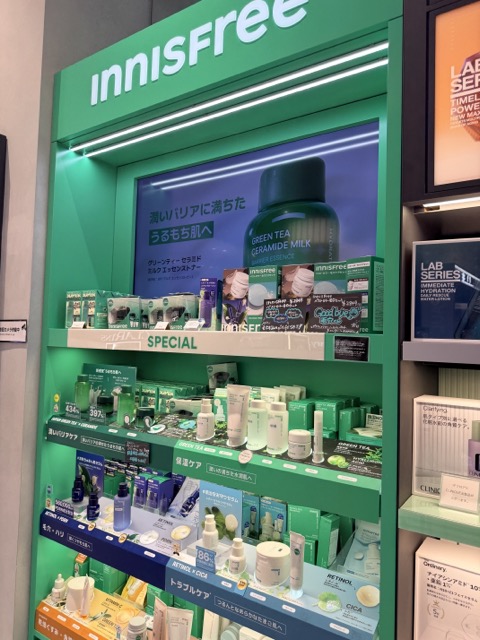
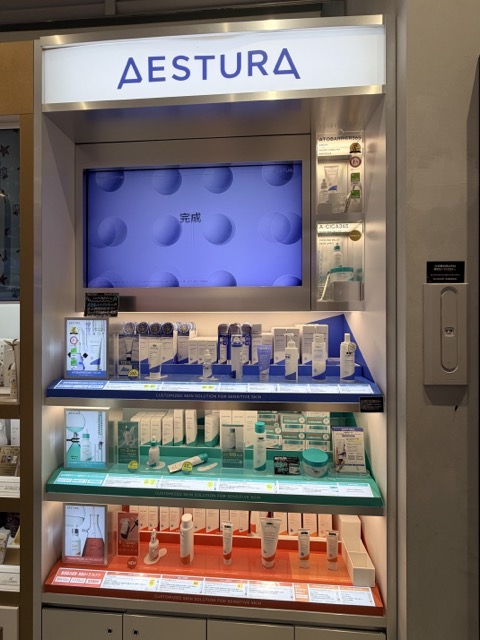
Barrier support is widely emphasized. Hydrating and soothing products are integrated throughout the store rather than isolated into a single category. This reflects a broader shift toward maintaining skin stability rather than relying on aggressive treatments.
Preventive care is prioritized over corrective approaches. Many products are positioned for long term maintenance rather than rapid or dramatic results. This aligns with a dermatologic approach that favors consistency and gradual improvement over time.
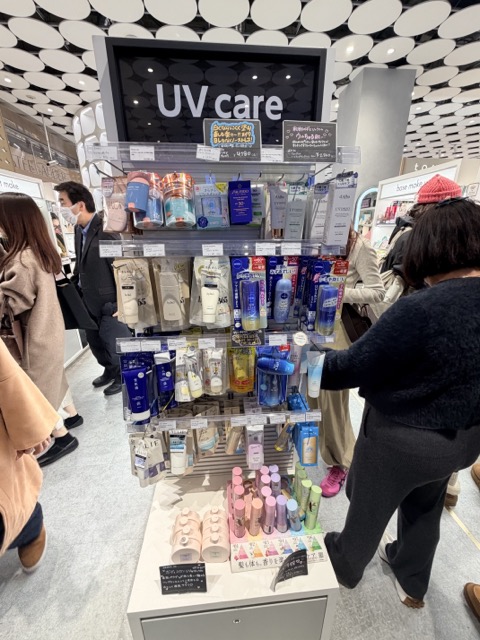
Sunscreen is treated as a daily essential rather than a specialized product. There is a wide range of formulations designed for different skin types and preferences, reinforcing the idea that daily photoprotection is a standard part of routine care.
Ease of repetition appears to be a central factor. Products that are simple to incorporate, compatible with other steps, and well tolerated over time are more likely to remain popular. This highlights the importance of routines that patients can realistically maintain.
Why This Matters in a Broader Context
Retail environments like @cosme provide insight into how consumer preferences are evolving. Current patterns suggest a growing emphasis on barrier friendly formulations, reduced irritation, consistent daily sunscreen use, and products that support long term adherence rather than short term results.
These trends are consistent with what is increasingly seen in clinical practice. Skincare that is effective over time is typically based on routines that patients can follow consistently without causing disruption to the skin.
@cosme in Shinjuku offers a practical view of how skincare functions outside of marketing frameworks. It reflects how products perform in real world use and how routines are shaped by comfort, consistency, and accessibility. For those interested in the intersection of dermatology and consumer behavior, it provides a useful lens into how skincare habits are formed and sustained.