
During my recent trip to Japan, I had the opportunity to visit Shiseido’s Research & Innovation (R&I) Center in Yokohama, and it was one of the most impressive beauty-science experiences I’ve had. The R&I Center, also known as the Shiseido Global Innovation Center, is the company’s primary research and development hub. Within this building is Shiseido Beauty Park, a public-facing experience space where visitors can explore exhibitions, technology demonstrations, and interactive beauty diagnostics connected to the company’s research.
What stood out most was how seamlessly Shiseido connects what we often separate in the West, science and artistry, measurement and emotion, innovation and tradition.
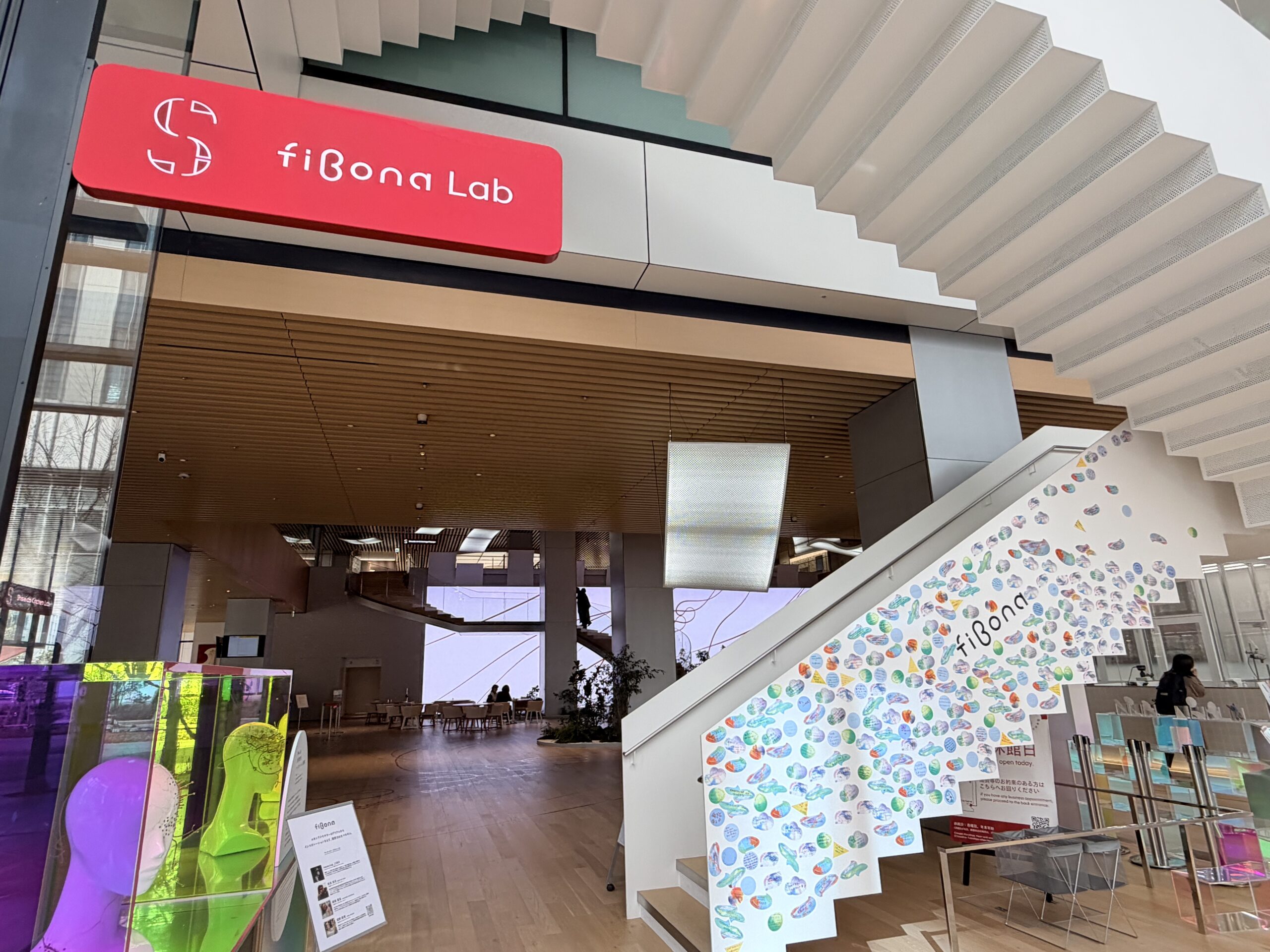
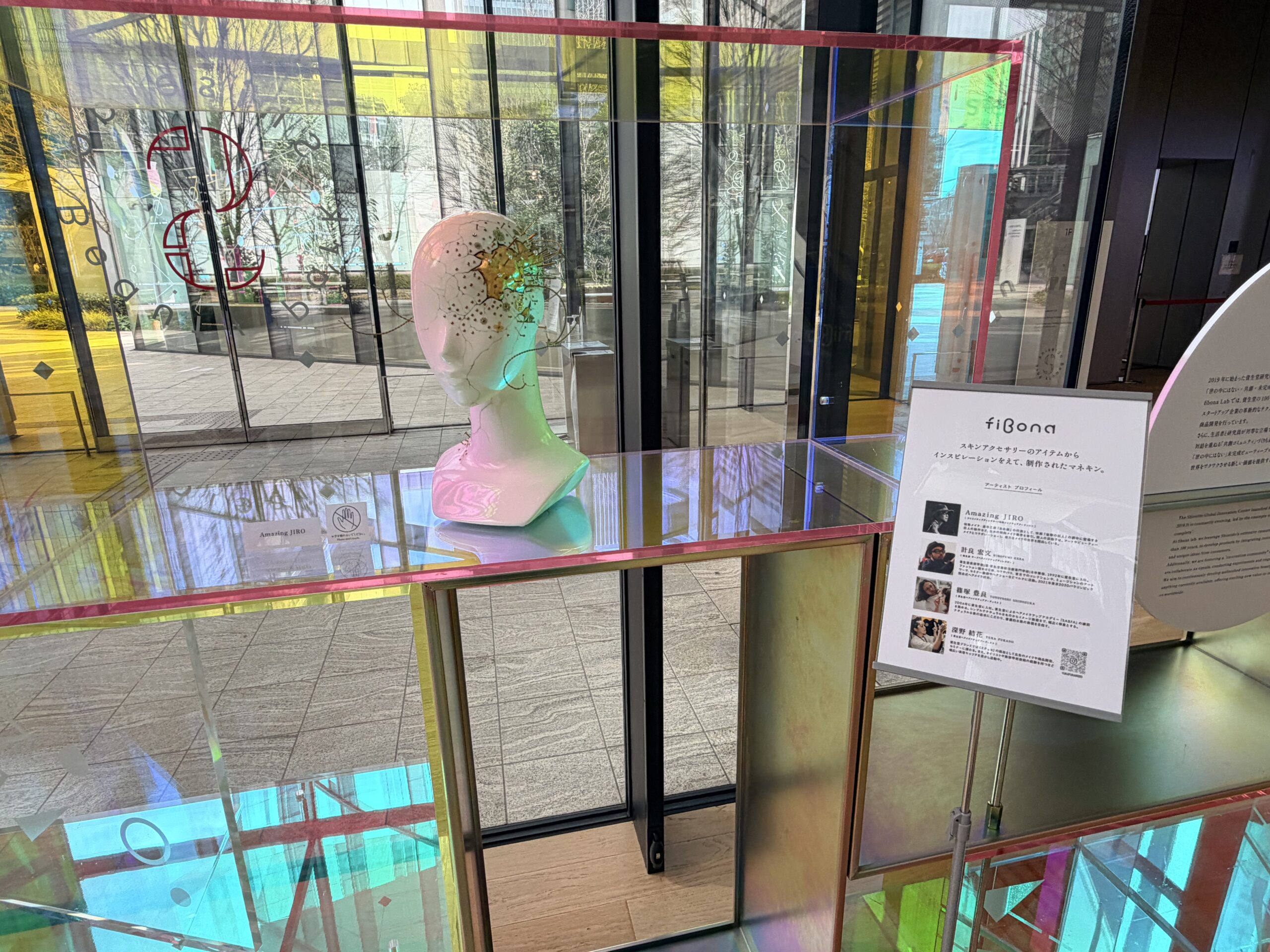
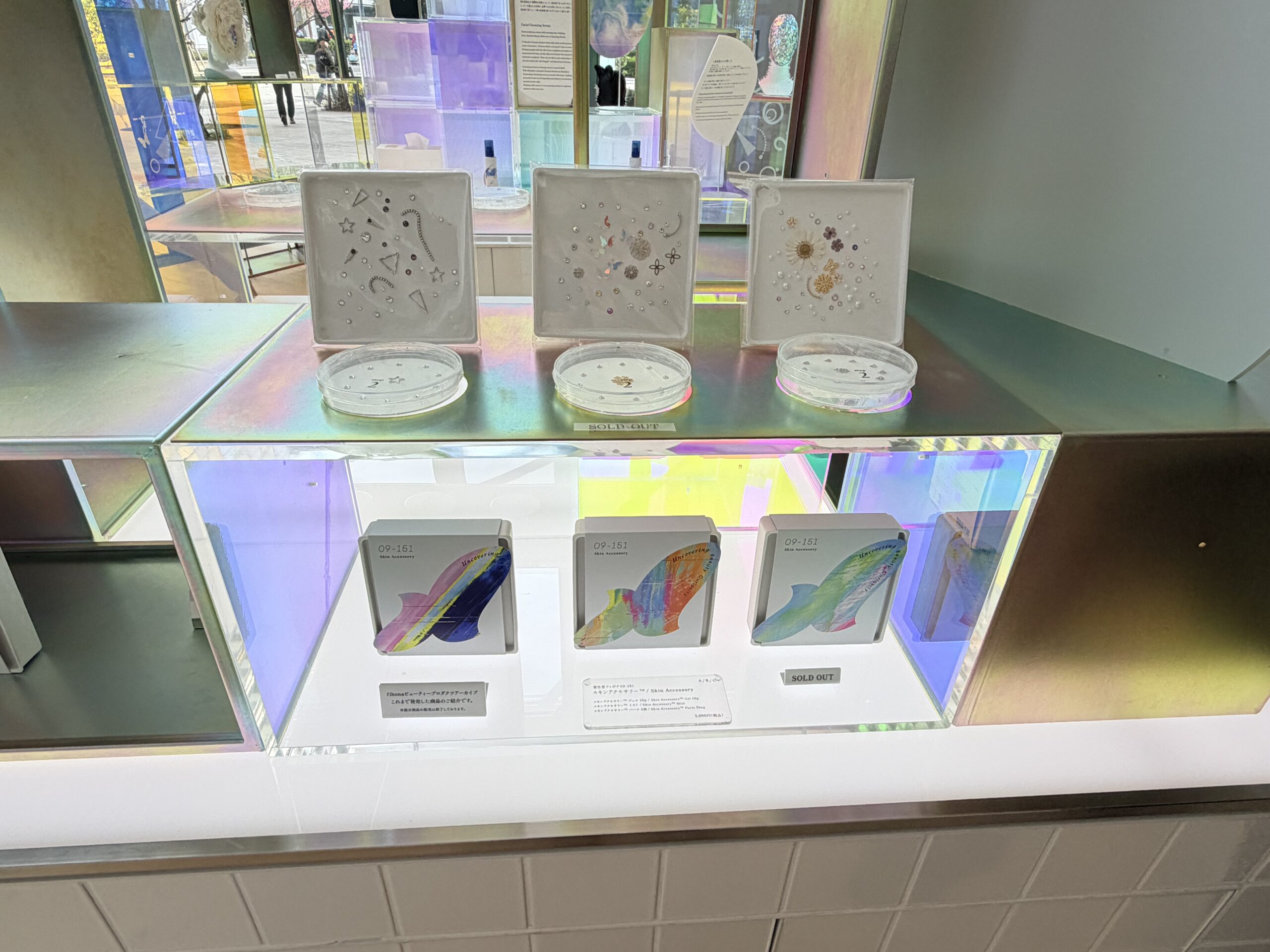
The Fibona Lab: Formulation as Engineering
The Fibona Lab felt like stepping into the “mechanics” of modern skincare, where texture isn’t just a cosmetic preference, it is a delivery system. Formulation science is often underestimated, but anyone who has worked with patients knows this truth: compliance is built on feel.
The lab experience reinforced how Shiseido treats texture as a technical discipline, optimizing spreadability, absorption, stability, and finish in a way that supports both performance and daily use. In K-beauty and J-beauty, the sensorial experience isn’t a bonus; it is part of the efficacy story, because the best product is the one people use consistently.
As a dermatologist, I also appreciate how formulation choices can meaningfully influence tolerance, especially for sensitive or compromised skin barriers. A product can have excellent actives, but if the vehicle irritates, pills, or feels heavy, real-world outcomes suffer.
Shiseido Kitchen Lab: The Science of Sensory
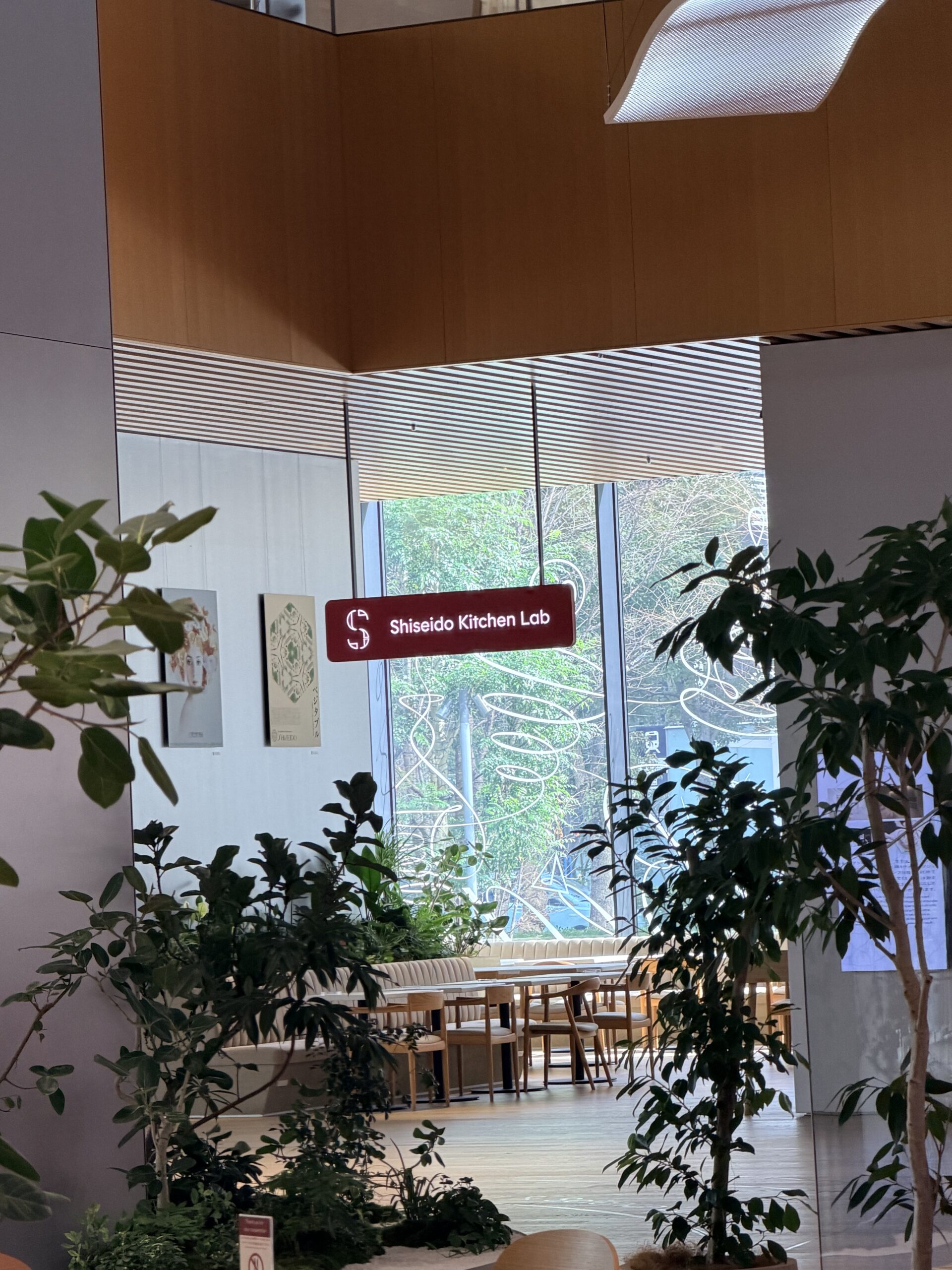
One of the most surprising stops was the Shiseido Kitchen Lab, which explores the intersection of food, fragrance, texture, mood, and perception. At first glance, it may sound whimsical, until you realize how much of skincare is behavioral.
We don’t just apply products; we experience them. The Kitchen Lab highlights that the sensory aspects of skincare, smell, feel, even the ritual, shape whether someone stays consistent with their routine. And consistency is where long-term results live.
This was a reminder that effective skincare doesn’t only come from chemistry. It also comes from design choices that make skincare feel rewarding, comforting, and easy to return to, especially during stressful seasons or life changes.
Art & Heritage Passage: Innovation Has a Memory
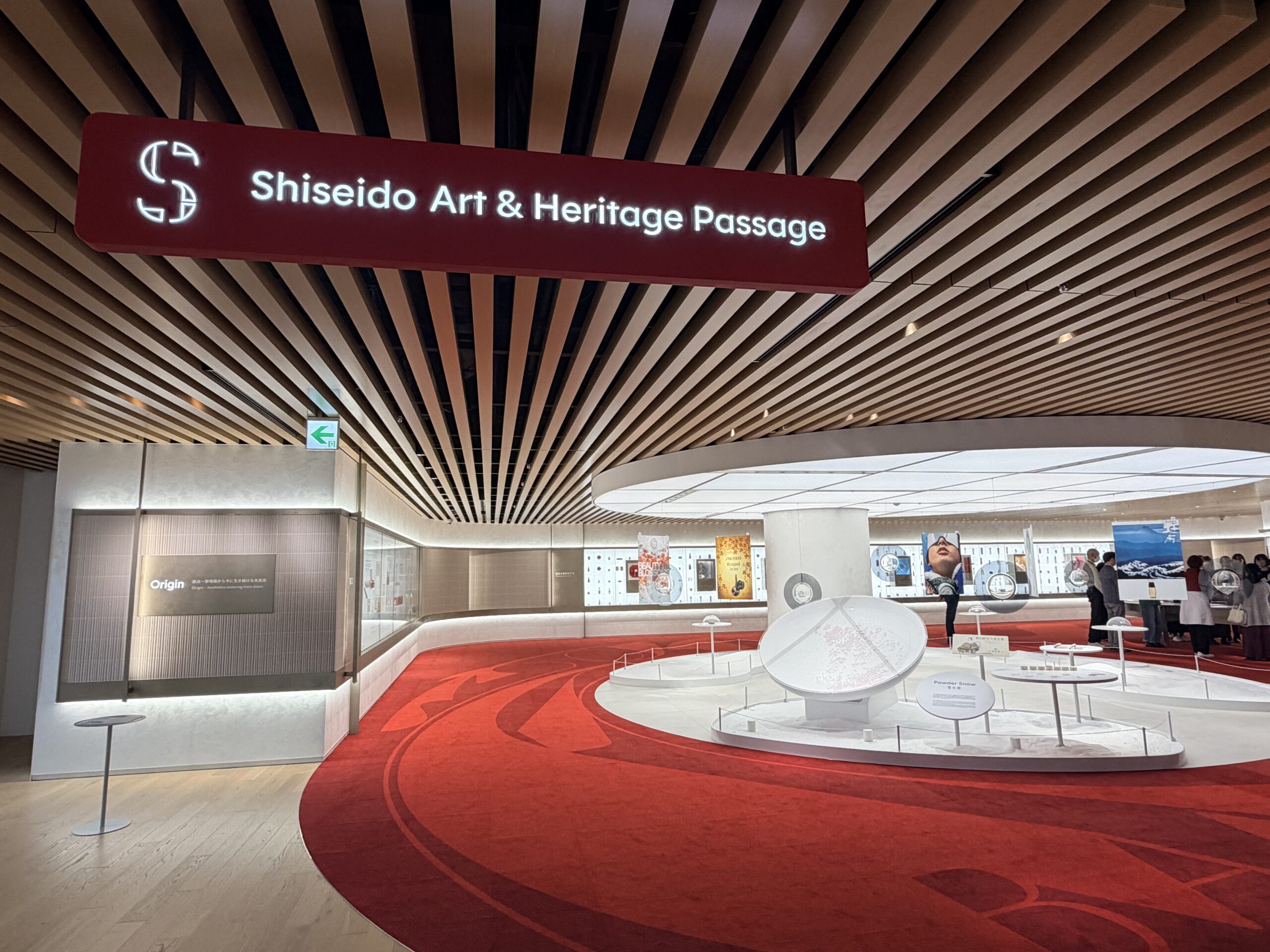
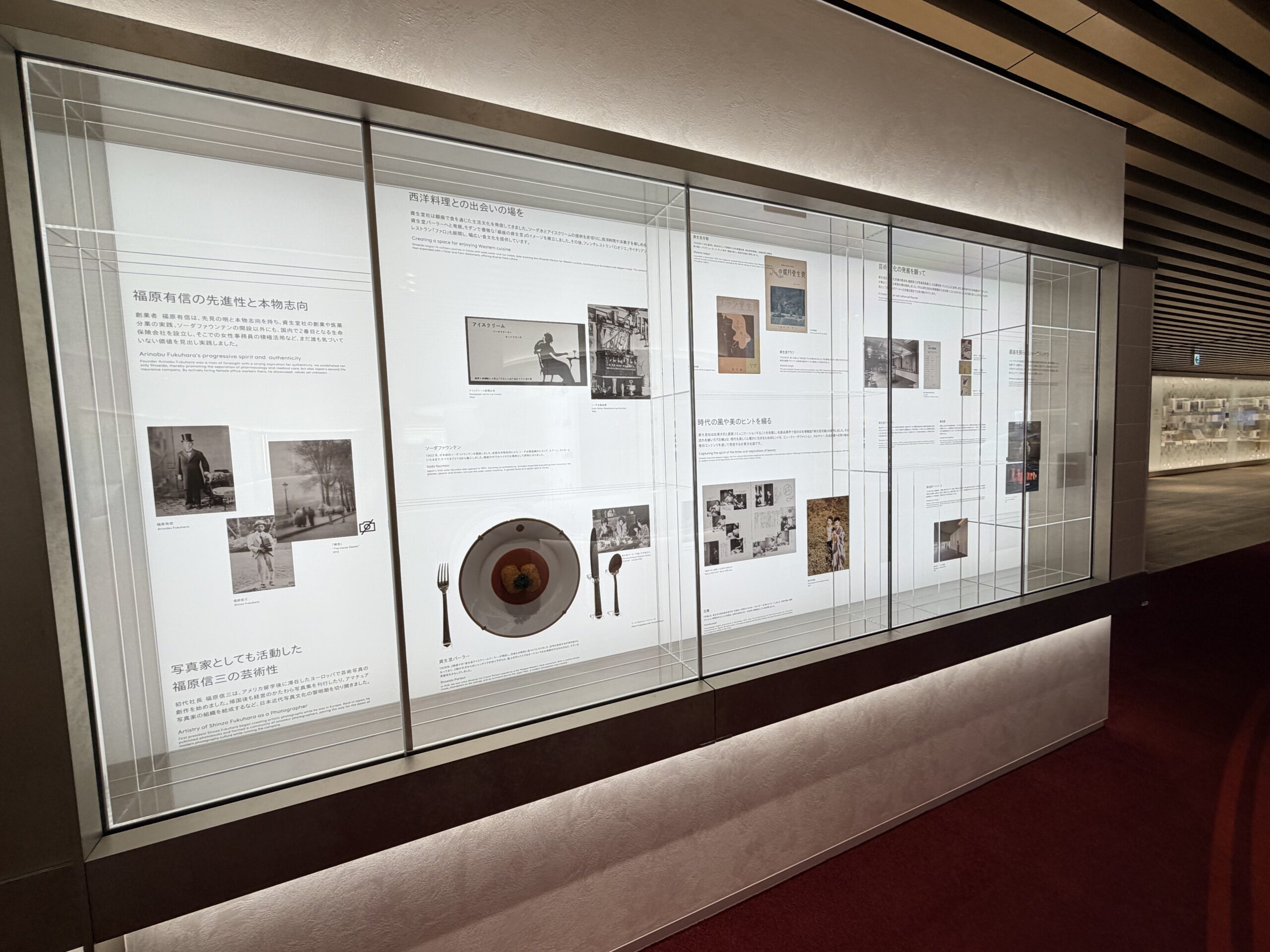
The final highlight was the Shiseido Art & Heritage Passage, which ties everything together with a sense of lineage. Shiseido has always been more than skincare, it is a cultural institution, and this part of the campus makes that clear.
Walking through the passage felt like a reminder that beauty science doesn’t exist in a vacuum. Cultural values shape how we define “healthy skin,” how we think about aging, and what we consider beautiful or worth preserving.
For me, that is the takeaway of Japanese beauty at its best: it is not about chasing an impossible ideal, it is about refinement, care, and longevity. The heritage component isn’t nostalgia. It is a guiding principle that informs what innovation should be in the first place.

Shiseido Beauty Diagnosis Lab: Data-Driven Skin Insight
The Shiseido Beauty Diagnosis Lab brought me into the future of consumer skincare: objective measurement, pattern recognition, and the early stages of AI-supported personalization.
Beauty diagnosis systems are evolving from simple “skin type quizzes” to multi-dimensional assessments that capture texture changes, hydration patterns, visible redness, pigment distribution, and more. The real promise here isn’t gimmicky personalization; it is better mapping between what patients see and what is happening biologically.
From a clinical standpoint, I’m always thinking about two things:
- How accurate and unbiased is the data across diverse skin tones and skin types?
- How responsibly are insights being translated into claims and product recommendations?
The most exciting use case is when these tools help people understand their skin better and make smarter choices, without veering into “diagnosis” territory that should remain medical. Done well, diagnostic tech can bridge the gap between clinic and consumer care, especially for chronic concerns like sensitivity and hyperpigmentation.
Final Thoughts: A Blueprint for the Future of Beauty
Visiting Shiseido’s R&I Center left me with a clear impression: the future of skincare isn’t just stronger actives or trendier ingredients. It is a more integrated model that combines rigorous science, sensory engineering, responsible data, cultural intelligence, and a long-term view of skin health.
As a dermatologist, I’m always drawn to approaches that improve real-world outcomes, and what Shiseido is building in Yokohama reflects something the beauty industry is increasingly recognizing: innovation only matters if it is usable, inclusive, and sustainable, both biologically and behaviorally.
I left inspired, not just by the technology, but by the thoughtfulness behind it.