K-Beauty and J-Beauty are often grouped together under the umbrella of East Asian skincare, but they are rooted in distinct philosophies. Both prioritize hydration, sun protection, and skin barrier health. Both have influenced the global beauty industry in meaningful ways. But the mindset behind each approach is slightly different, and understanding that difference can help you build a routine that truly works for your skin.
What Is K-Beauty?
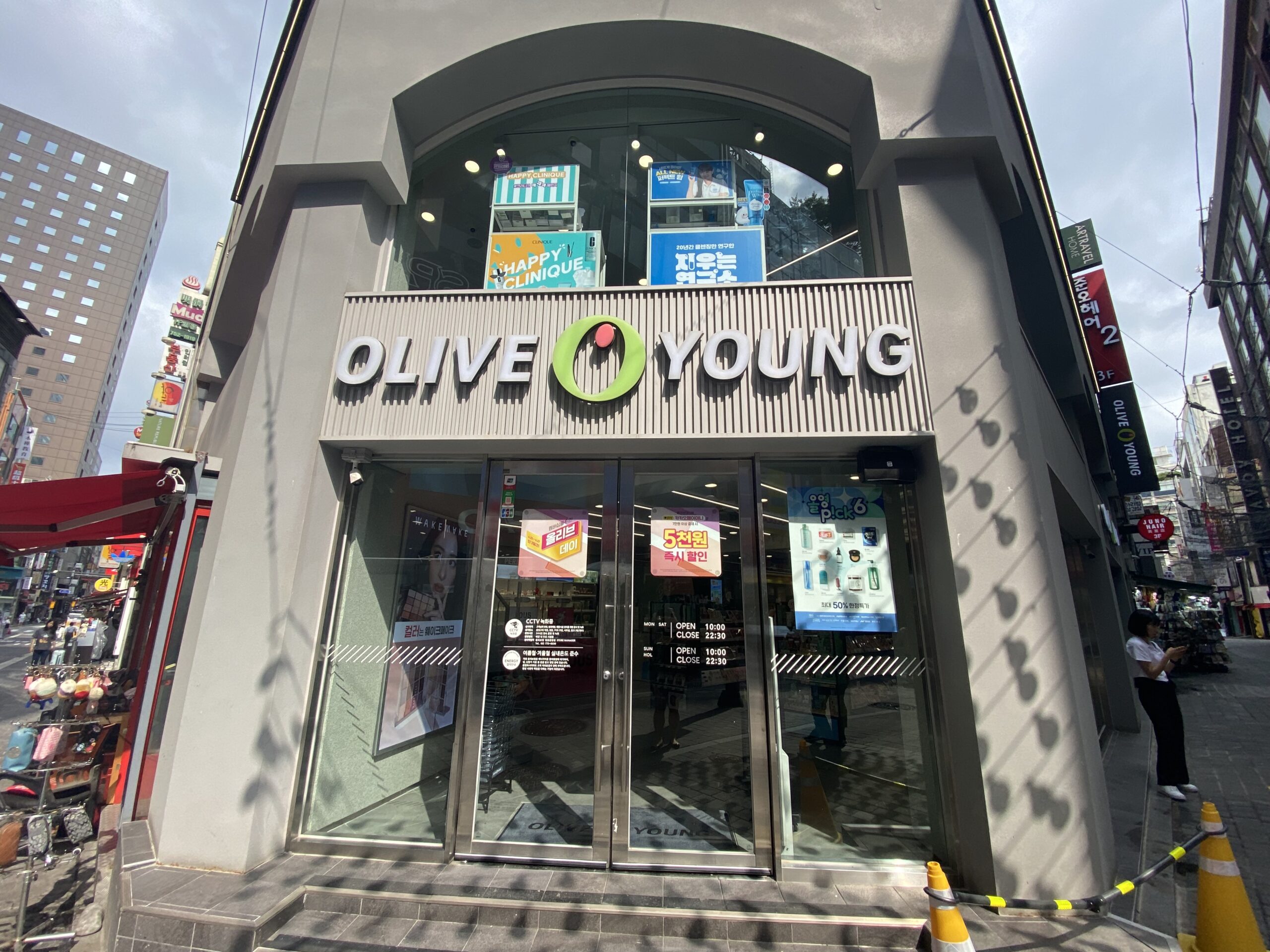
K-Beauty stands for Korean beauty. It refers to skincare practices, products, and routines originating in South Korea. But more than a geographic label, it represents a philosophy centered on deep hydration, barrier support, gentle formulations, and thoughtful layering.
At its core, K-Beauty works with the skin rather than against it. The focus is on maintaining a strong, resilient barrier while addressing multiple concerns through lightweight layers.
The K-Beauty Philosophy
Korean skincare culture draws from traditional Korean herbal medicine, where skin health is viewed as connected to overall well-being. Ingredients like ginseng, rice water, and green tea have been used for centuries. Modern K-Beauty takes those traditional foundations and fuses them with cutting-edge cosmetic science.
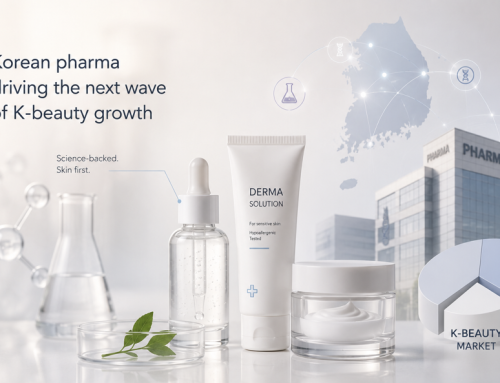
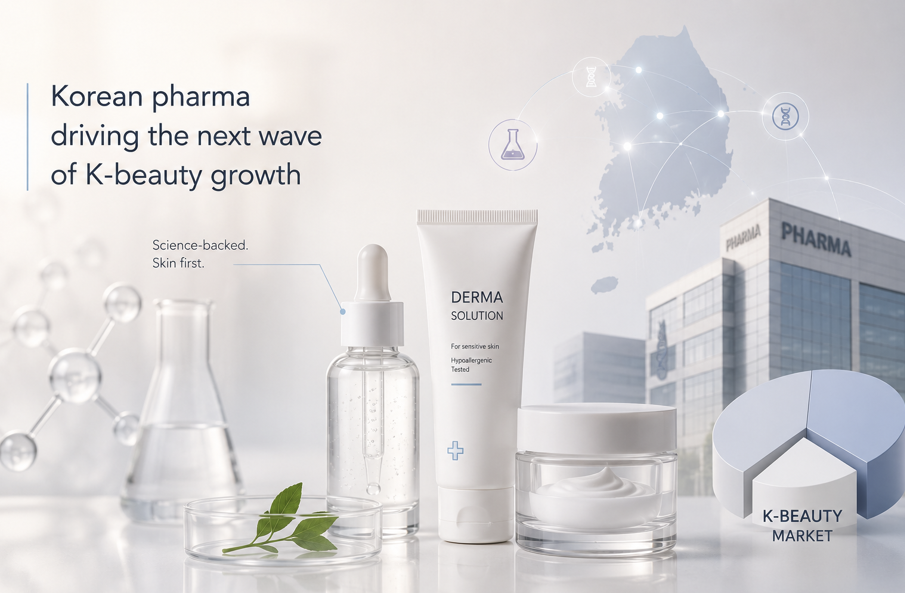
K-Beauty is also known for rapid innovation. Many ingredients and delivery systems entered the global market after first gaining traction in Korea. Fermented extracts, PDRN, exosomes, and advanced sunscreen filters are examples of innovations that were widely adopted after early use in the Korean market.
The 10-Step Routine, Explained
When people think of K-Beauty, they often think of the 10-step routine:
- Oil-based cleanser
- Water-based cleanser
- Gentle exfoliator
- Toner
- Essence
- Serum or ampoule
- Sheet mask
- Eye cream
- Moisturizer or sleeping mask
- Sunscreen in the morning
It is important to clarify that this is not a rigid requirement. K-Beauty is a pick-and-choose philosophy. You tailor the layers to your skin’s needs. A streamlined routine may simply include a double cleanse, toner, serum, moisturizer, and sunscreen.
Key Ingredients in K-Beauty
Common ingredients include:
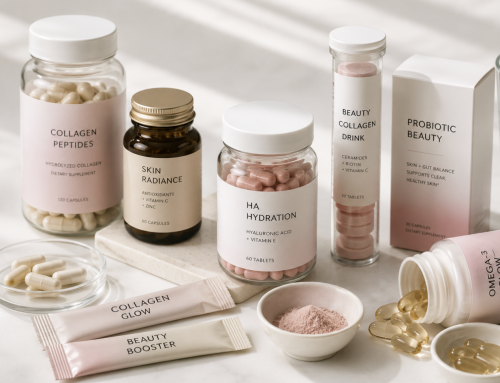
- Hyaluronic acid and glycerin for hydration
- Niacinamide for brightening and barrier support
- Centella asiatica for soothing
- Snail mucin for hydration and repair
- Fermented yeast or rice extracts for radiance
- PDRN and exosomes for recovery and regeneration
The Aesthetic Goal: Glass Skin
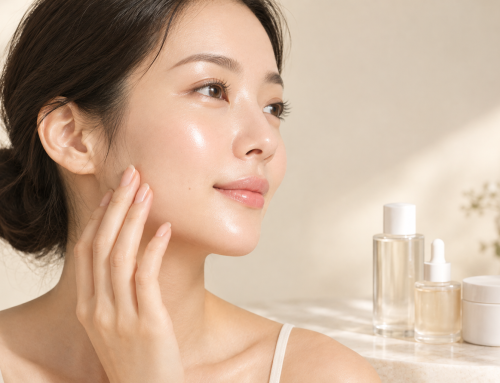
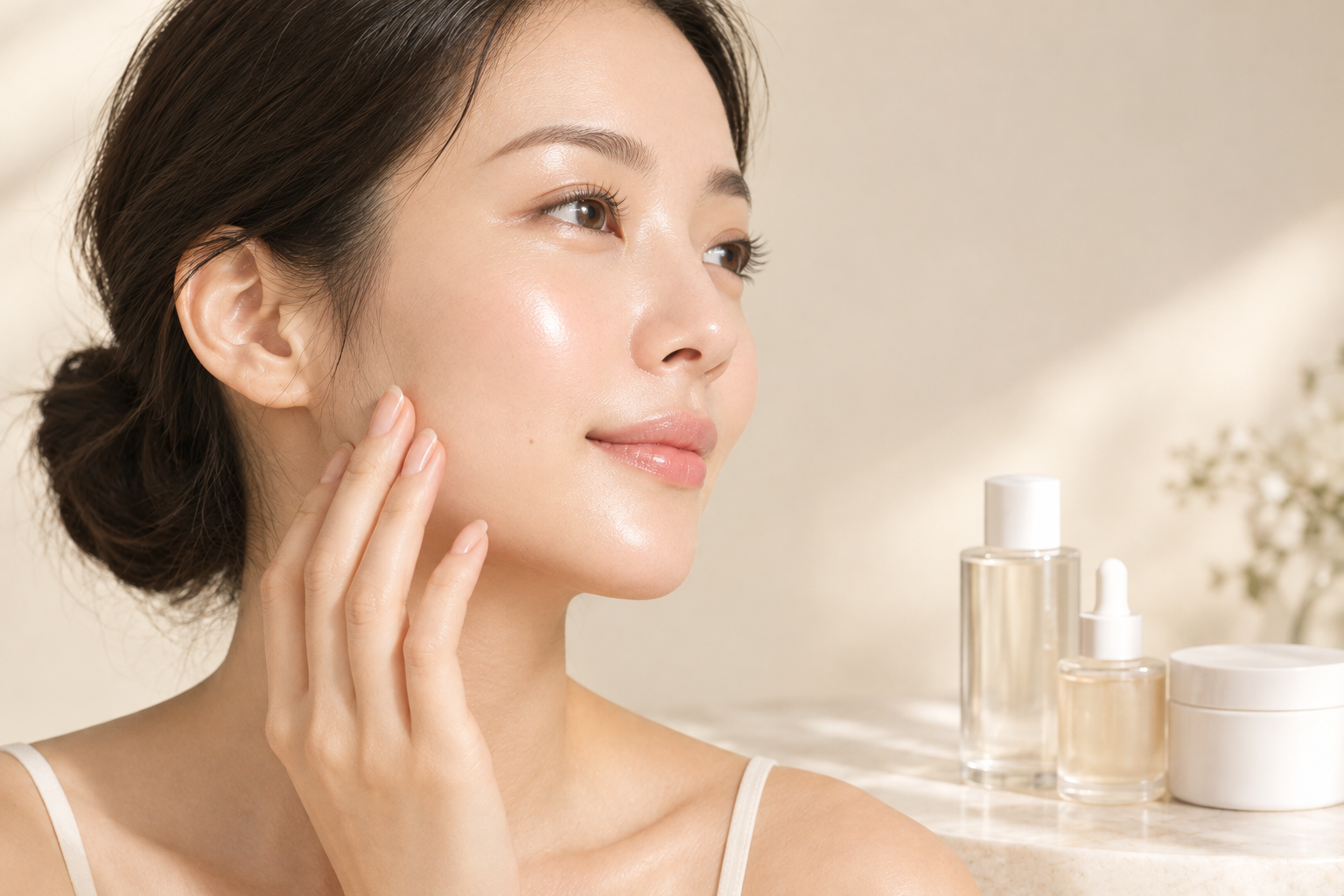
K-Beauty is often associated with “glass skin,” a smooth, luminous, almost translucent finish. This glow comes from consistent hydration and barrier health. It is aspirational, not literal. Pores and texture are normal. The real goal is healthy, functioning skin.
Well-Known K-Beauty Brands
Brands that have helped define the movement include:
COSRX, LANEIGE, Beauty of Joseon, Dr. Jart+, Sulwhasoo, Innisfree, Aestura, and Hera, among many others.
What many share is innovation, thoughtful formulation, visible results, and a range of price points.
What Is J-Beauty?
J-Beauty stands for Japanese beauty. Like K-Beauty, it refers to skincare originating in Japan. But the philosophy emphasizes simplicity, prevention, and long-term consistency.
J-Beauty focuses on building a strong foundation through gentle, reliable care rather than layering many products or chasing rapid visible changes.
The J-Beauty Philosophy
Japanese skincare culture has deep historical roots. Ingredients like rice bran, camellia oil, sake, and green tea have been used for centuries. The concept of offering thoughtful and attentive care, extends into how skincare is approached.
J-Beauty is highly innovative, but in a quieter way. The emphasis is on rigorous research and development, clinically validated ingredients, and long-term efficacy. Formulations are often refined and maintained for years.
A Classic J-Beauty Routine
A traditional J-Beauty routine focuses on three main pillars:
- Cleansing
- Hydration
- Sealing
Cleansing often includes double cleansing, with careful attention to minimizing friction and creating a rich foam. Hydration comes through lightweight lotions or essences. Sealing is achieved with emulsions or creams. Sunscreen in the morning is non-negotiable.
While serums and masks exist, each product must earn its place. The goal is maximum effectiveness with minimal excess.
Key Ingredients in J-Beauty
Common ingredients include:
- Rice bran for ceramide support
- Hyaluronic acid for deep hydration
- Tranexamic acid for pigmentation
- Arbutin for brightening
- Ceramides for barrier repair
- Green tea and seaweed for antioxidant support
The Aesthetic Goal: Mochi Skin
J-Beauty aims for “mochi skin,” soft, plump, bouncy skin with resilience and suppleness. It is less about extreme luminosity and more about texture and strength.
Well-Known J-Beauty Brands
Brands that have shaped J-Beauty globally include:
Shiseido, SK-II, Hada Labo, DHC, Curél, Biore, Anessa, and Shu Uemura.
These brands are known for research-driven development, formulation stability, and long-standing consumer trust.
K-Beauty vs. J-Beauty: How are they different?
While both prioritize skin health, hydration, and sun protection, their philosophies differ in meaningful ways.
K-Beauty is innovation-driven and trend-forward. It embraces multi-step, customizable routines and is often quick to incorporate new bioactives and emerging ingredients. The aesthetic ideal is glass skin, a luminous, dewy, lit-from-within glow achieved through layered hydration and barrier support.
J-Beauty takes a more minimalist, prevention-focused approach. It emphasizes consistency over experimentation, relying on fewer but highly refined products. Formulations tend to center around clinically validated ingredients and long-term stability. The aesthetic goal is mochi skin, soft, plump, and resilient skin that reflects strength and balance.
From a dermatologic perspective, neither approach is superior. They are simply different tools working toward the same outcome: healthy, resilient skin.
Can You Combine Them?
Absolutely. You might ground your routine in J-Beauty principles of gentle cleansing and barrier stability, while incorporating a K-Beauty essence or serum to target pigmentation, acne, or texture.
The most important factors are consistency, appropriate formulation for your skin type, and patience. Skin responds best to stability over time.
Whether you are drawn to the innovation and layering of K-Beauty, the simplicity and prevention-first mindset of J-Beauty, or a mix of both, the goal remains the same: support your skin barrier, protect against UV damage, and maintain long-term skin health.