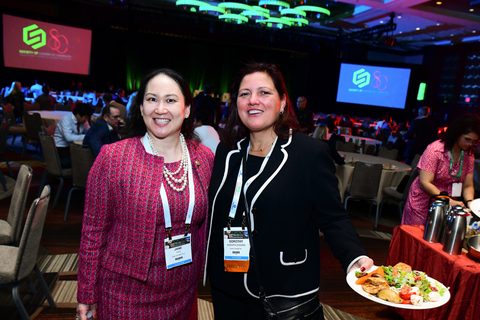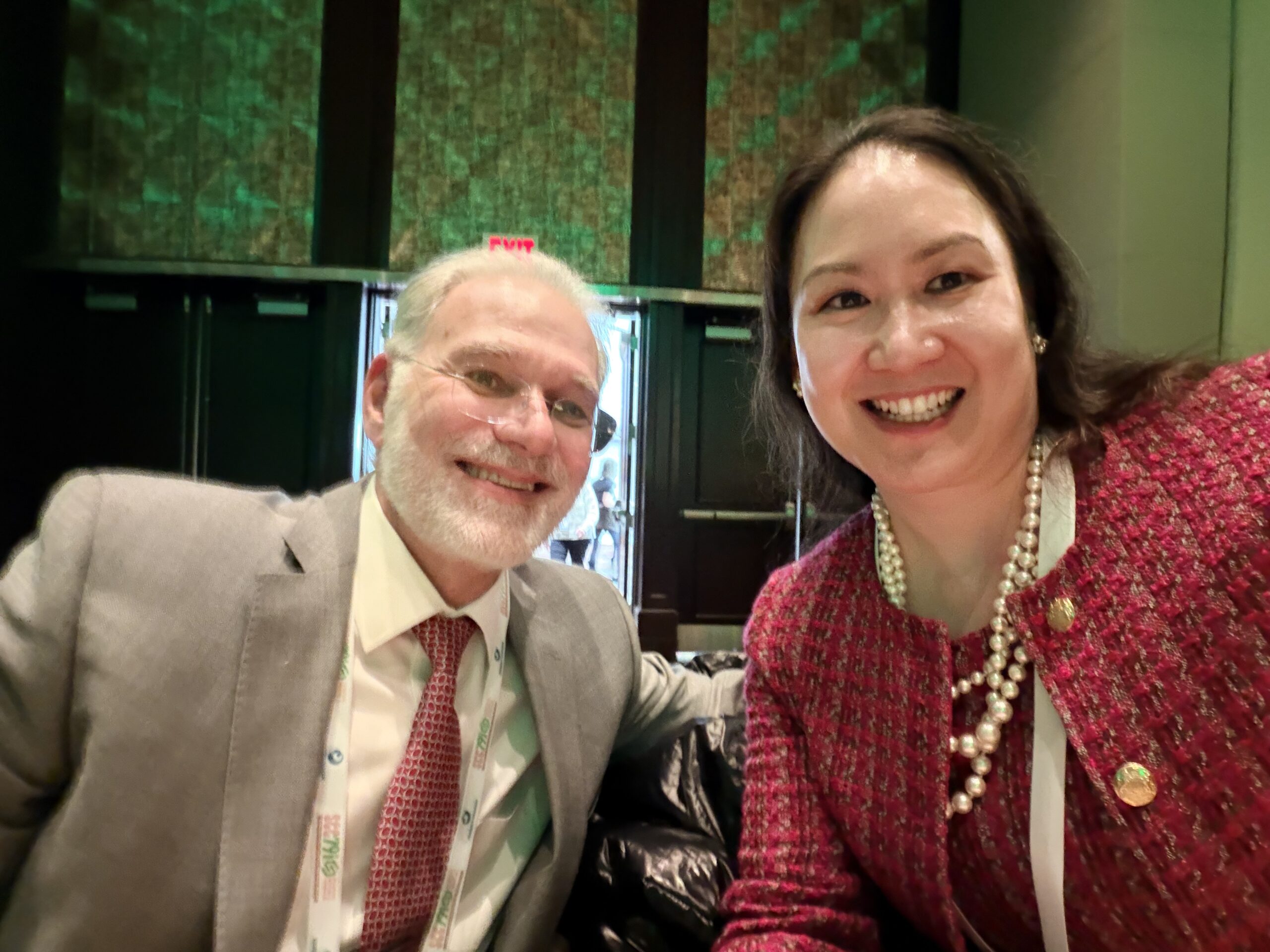
Last week, I had the honor of attending the 79th Annual Scientific Meeting and Showcase hosted by the Society of Cosmetic Chemists in New York City. This annual meeting brings together leaders across dermatology, cosmetic science, formulation chemistry, and beauty technology, and it remains one of the most important spaces for conversations about where the industry is headed next.
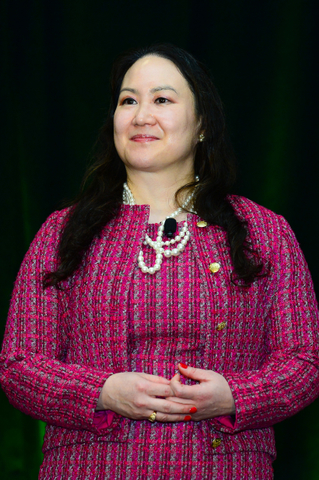
This year’s meeting was especially meaningful for me, as I was invited to deliver the Henry Maso Keynote Award Lecture.
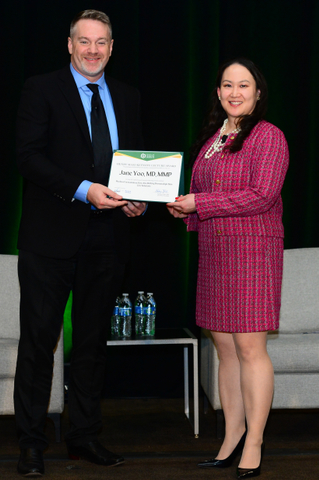
Receiving the Henry Maso Keynote Award
The Henry Maso Keynote Award recognizes contributions that help move cosmetic science forward through research, innovation, and thought leadership. Being selected to deliver this keynote was truly an honor, particularly in a room filled with scientists, formulators, researchers, and industry leaders whose work shapes the products people use every day.
Opportunities like this reinforce how closely dermatology and cosmetic science are connected. What happens in the lab, in data analysis, and in formulation design ultimately influences real skin, real patients, and real outcomes.
Pixels to Formulations: How AI Is Shifting Dermatologic Skin Care Solutions
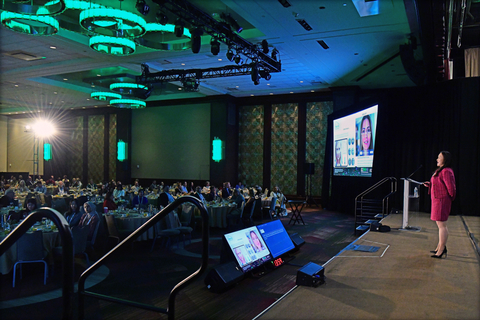
My keynote lecture, Pixels to Formulations: How AI Is Shifting Dermatologic Skin Care Solutions, focused on how artificial intelligence is changing the way we understand skin and develop products for it.
I discussed how advances in skin imaging allow us to capture detailed attributes such as pigmentation patterns, texture, wrinkles, and elasticity. When combined with data driven analysis, these images become more than pictures. They become actionable information that can guide research, formulation strategies, and product development.
From a dermatology perspective, this shift is powerful. AI allows us to move beyond one size fits all approaches and toward more precise, personalized skincare that accounts for individual skin characteristics and diverse populations.
Bridging Dermatology, Cosmetic Science, and Technology
One of the most exciting aspects of this work is how it brings traditionally separate fields together. Dermatology provides clinical insight into skin physiology and disease. Cosmetic science translates that knowledge into safe, effective formulations and technology acts as the bridge, accelerating innovation and helping us better understand skin at scale.
I also spoke about how these tools are reshaping product development pipelines, improving efficiency, and opening the door to more inclusive and consumer-centric solutions. As technology continues to evolve, it will play an increasingly important role in how we evaluate skin health, monitor changes over time, and design products that meet people where they are.
Reflections on the SCC Annual Meeting
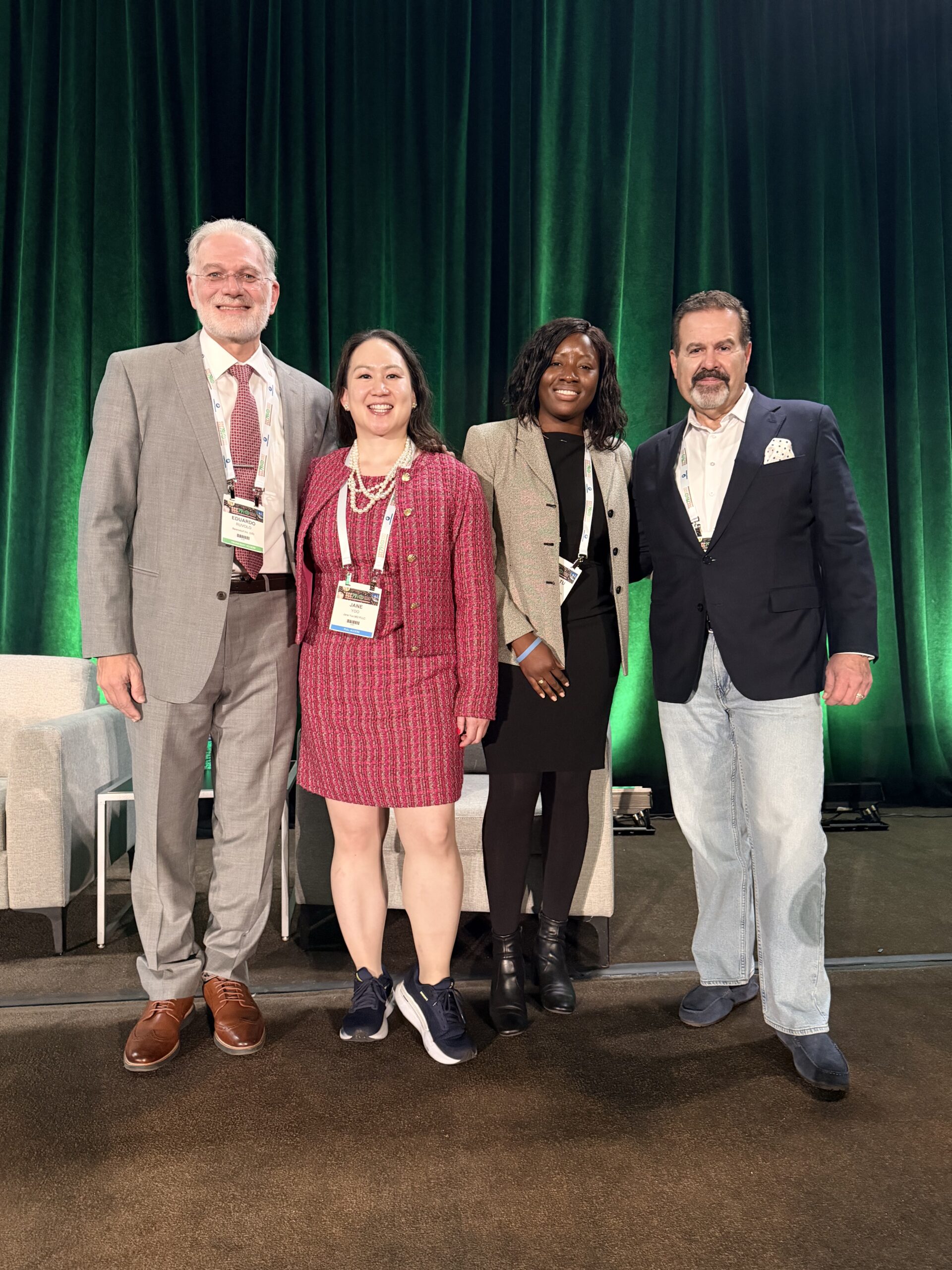
Beyond the keynote, the SCC Annual Scientific Meeting is always a reminder of how collaborative this industry truly is. The energy comes from conversations between scientists, clinicians, engineers, and brand leaders who all share the same goal of advancing skin and hair health through evidence based innovation.
It was a privilege to share this work with such a thoughtful and engaged audience, and to be part of a broader dialogue about where cosmetic science and dermatology are headed next.
Moments like this reinforce why I am so passionate about the intersection of dermatology, technology, and cosmetic science, and why continuing these conversations matters for the future of skin health.